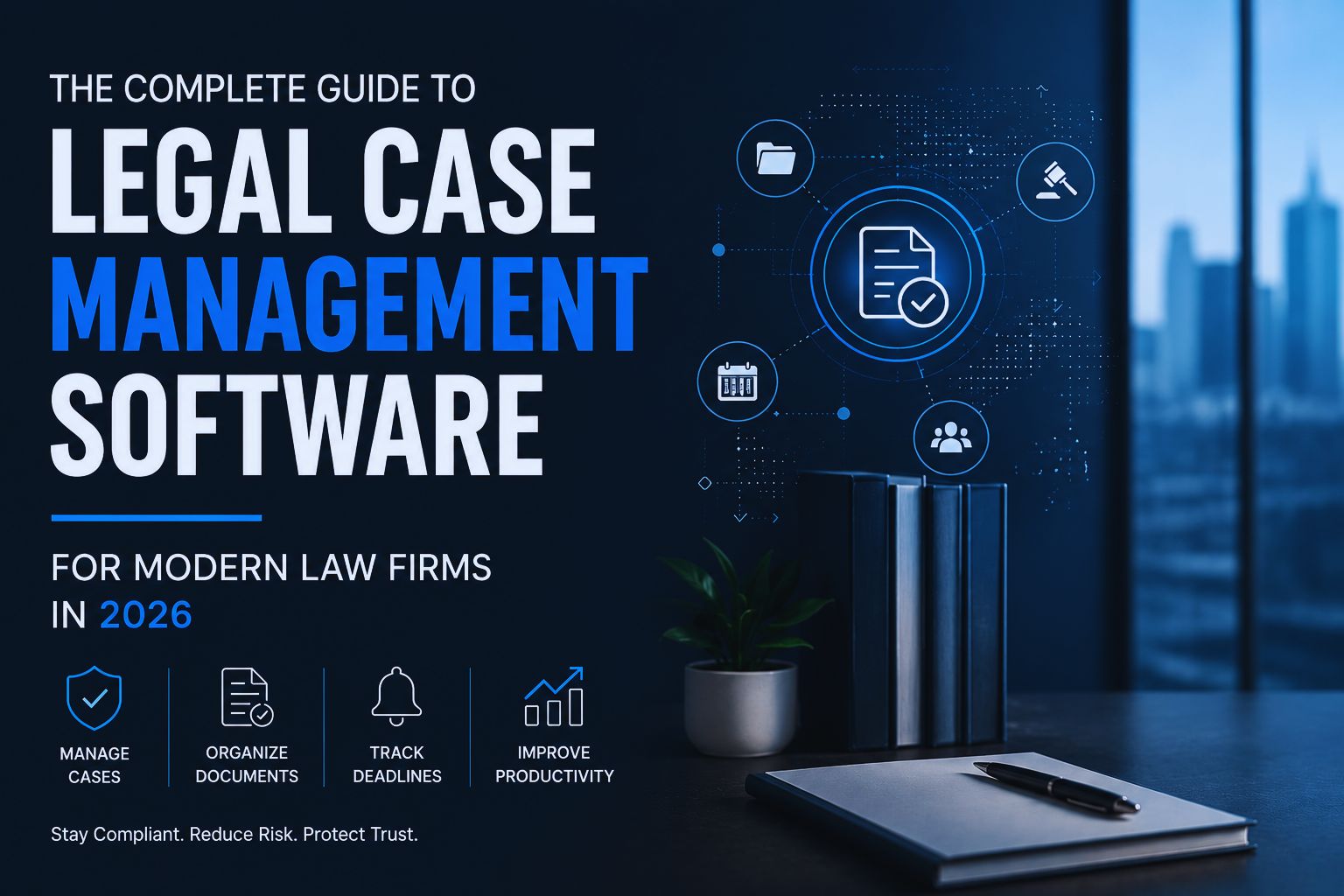
The Complete Guide to Legal Case Management Software for Modern Law Firms in 2026
Modern law firms are under more pressure than ever before. Clients expect faster communication, legal teams manage increasing volumes of documentation, and compliance requirements continue to evolve across jurisdictions. At the same time, firms are expected to maintain profitability while efficiently handling complex workflows.
This shift is one of the biggest reasons legal case management software has become a core operational tool for modern legal practices in 2026.
Whether it is a litigation firm in India managing hundreds of active matters, a UAE-based corporate legal practice handling cross-border documentation, or a growing law office in the UK trying to reduce administrative delays, legal technology is now central to daily legal operations.
The right software does far more than organise files. It improves collaboration, automates repetitive work, strengthens compliance processes, and helps legal professionals focus more on billable and strategic tasks.
In this guide, we will explore how legal case management software works, the features law firms should prioritise, the key industry trends shaping legal operations, and how modern platforms such as Smart Lawyer Office support digital legal workflows.
What Is Legal Case Management Software?
Legal case management software is a digital platform designed to help law firms organise, track, and manage legal matters from intake to resolution. Instead of relying on disconnected spreadsheets, email chains, paper files, or manual tracking systems, firms can centralise operations in one place.
The software typically combines case tracking, document management, billing, communication tools, scheduling, and workflow automation into a unified system.
Core Purpose of Legal Case Management Systems
The primary goal is to improve operational visibility and reduce inefficiencies across legal workflows. A modern law firm may handle dozens or even hundreds of active matters simultaneously. Without structured systems, teams often struggle with:
- Missed deadlines
- Duplicate documentation
- Delayed client communication
- Billing inaccuracies
- Difficulty locating files quickly
For example, a litigation team managing multiple court hearings across different cities may need instant access to filings, hearing schedules, internal notes, and client communications. A centralised case management system helps streamline these moving parts.
Difference Between Case Management and Practice Management Software
The terms are often used interchangeably, but there is a subtle difference. Legal case management software mainly focuses on managing legal matters, documents, timelines, and workflows tied to specific cases.
Legal practice management software generally includes broader operational capabilities, such as:
- CRM functionality
- Accounting and invoicing
- HR workflows
- Business reporting
- Client intake management
Many modern legal SaaS platforms now combine both functions into one ecosystem.
Why Modern Law Firms Need Legal Case Management Software in 2026
The legal industry has changed significantly over the last few years. Traditional administrative methods are becoming difficult to sustain as firms scale operations and client expectations continue to rise.
Rising Client Expectations
Clients no longer expect slow email replies or delayed updates. Businesses and individuals now want transparency, faster responses, and digital convenience.
Modern clients often expect the following:
- Secure document sharing
- Real-time communication
- Faster case updates
- Digital invoices
- Easy access to legal records
Law firms using outdated manual systems may struggle to meet these expectations consistently.
Increasing Compliance and Documentation Requirements
Legal compliance requirements are becoming stricter across many regions, including the UAE, UK, and European markets influenced by GDPR standards.
Firms are expected to maintain:
- Accurate audit trails
- Secure document storage
- Confidential client communication
- Controlled file access
- Reliable record retention systems
A missed document or unsecured communication channel can create both legal and reputational risks.
Hybrid and Remote Legal Workflows
Remote and hybrid work models are now common across the legal industry. Lawyers frequently work across offices, courts, and client locations. Cloud-based legal software allows teams to securely access documents, case updates, and communication systems from anywhere while maintaining operational continuity.
Industry reports in 2025 showed increasing adoption of cloud-based legal platforms among small and mid-sized law firms, particularly in the US, UAE, and India, where firms are accelerating digital transformation initiatives.
Key Features Every Legal Case Management Software Should Include
Not all legal software platforms offer the same level of functionality. Law firms should evaluate solutions based on operational requirements rather than marketing claims alone.
Centralised Case and Matter Tracking
Case tracking remains one of the most valuable features for legal teams.
A centralised dashboard allows lawyers to monitor:
- Case progress
- Hearing schedules
- Court deadlines
- Internal notes
- Assigned tasks
- Client updates
This becomes especially valuable for firms handling high-volume litigation or multi-department legal operations.
Legal Document Management
Legal professionals spend a large portion of their day handling documentation. Poor document organisation often leads to wasted time and unnecessary delays.
Strong legal document management features should include:
- Secure cloud storage
- Advanced search functionality
- Version control
- Role-based permissions
- Digital file categorisation
Paperless legal workflows are becoming increasingly important as firms try to improve accessibility and reduce operational clutter.
Workflow Automation and Task Management
Administrative tasks consume significant time inside law firms.
Workflow automation helps reduce repetitive manual processes such as:
- Deadline reminders
- Task assignments
- Approval routing
- Client intake workflows
- Follow-up notifications
Platforms such as Smart Lawyer Office help firms automate routine legal workflows, allowing teams to focus more on legal strategy and client service rather than administrative coordination.
Time Tracking, Billing, and Invoicing
Billing inefficiencies can directly affect profitability.
Integrated billing systems allow firms to:
- Track billable hours accurately
- Generate invoices faster
- Monitor outstanding payments
- Improve financial visibility
For firms managing multiple fee structures, automated billing reduces manual errors and improves operational consistency.
Client Communication and Collaboration Tools
Client relationships often depend on responsiveness and transparency.
Modern legal software increasingly includes:
- Secure client portals
- Shared document access
- Internal team messaging
- Automated updates
These tools help reduce communication delays while improving the overall client experience.
AI and Analytics Capabilities
Artificial intelligence is playing a growing role in legal operations.
Many legal technology platforms now offer AI-powered capabilities such as:
- Document summarisation
- Workflow analytics
- Smart search functionality
- Contract review assistance
- Predictive insights
While AI is not replacing lawyers, it is helping firms reduce administrative workload and process information more efficiently.
Benefits of Legal Case Management Software for Law Firms
Improved Productivity and Reduced Administrative Burden
Law firms spend substantial time on administrative coordination. Automating repetitive processes allows lawyers and support staff to focus more on billable and strategic work.
This often results in:
- Faster task completion
- Reduced manual errors
- Better time management
- Improved operational efficiency
Better Compliance and Risk Management
Legal software improves visibility and accountability across workflows. Features such as audit trails, deadline alerts, and permission-based document access help firms minimise operational risks and maintain compliance standards.
Faster Case Resolution and Better Client Experience
When legal teams can quickly access information, collaborate efficiently, and communicate clearly, cases often move more smoothly.
Clients benefit from:
- Faster updates
- Improved transparency
- Better communication
- Reduced delays
Scalability for Growing Law Firms
As firms expand across departments or multiple offices, manual coordination becomes increasingly difficult.
Legal case management software helps growing firms maintain structure without significantly increasing administrative complexity.
Cloud-Based vs On-Premise Legal Case Management Software
Advantages of Cloud-Based Legal Software
Cloud-based legal software continues to dominate the market because of its flexibility and scalability.
Benefits include:
- Remote accessibility
- Lower infrastructure costs
- Faster deployment
- Easier software updates
- Better collaboration
This model is particularly useful for firms operating across multiple locations.
When On-Premise Solutions May Still Be Relevant
Some firms still prefer on-premise systems due to internal security policies or regulatory requirements.
However, on-premise infrastructure often requires the following:
- Higher maintenance costs
- Dedicated IT support
- Longer implementation timelines
Which Option Is Better for Modern Law Firms?
For most small and mid-sized firms in 2026, cloud-based systems provide greater operational flexibility and scalability.
The right choice ultimately depends on:
- Firm size
- Compliance requirements
- Budget
- Internal IT resources
- Workflow complexity
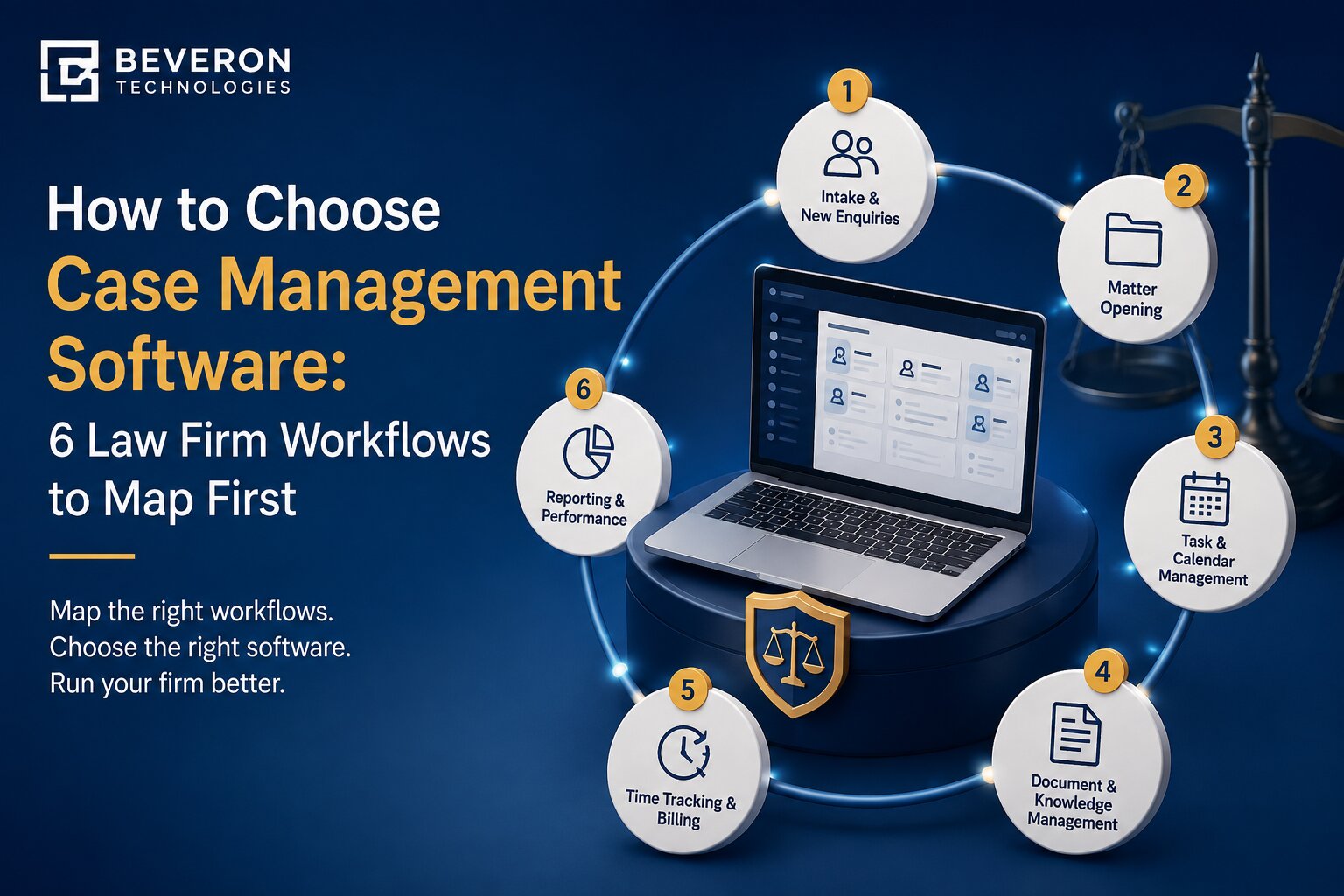
How to Choose the Right Legal Case Management Software
Choosing the right platform requires more than comparing feature lists.
Evaluate Workflow Requirements
Every law firm operates differently. Litigation firms, corporate legal teams, and advisory practices often require different workflow structures.
Before selecting software, firms should evaluate:
- Case complexity
- Billing processes
- Collaboration requirements
- Reporting needs
- Document workflows
Prioritise Security and Compliance
Security should remain a top priority.
Look for systems that offer:
- Encryption
- Access controls
- Secure backups
- Audit logs
- Compliance support
Look for Integration Capabilities
Legal software should integrate smoothly with existing systems such as:
- Email platforms
- Accounting tools
- CRM systems
- Document storage platforms
Disconnected systems often create operational bottlenecks.
Consider User Adoption and Training
Even powerful software can fail if teams find it difficult to use.
Successful implementation depends on:
- User-friendly design
- Structured onboarding
- Training support
- Gradual workflow adoption
Common Challenges Law Firms Face During Software Adoption
Resistance to Change
Many legal professionals are comfortable with existing workflows, even when they are inefficient. Clear training and gradual implementation help reduce resistance.
Data Migration Concerns
Migrating years of case files and documentation can feel overwhelming. A structured migration strategy helps minimise operational disruption.
Balancing Cost and Long-Term ROI
While legal software requires investment, firms should evaluate long-term operational gains rather than upfront costs alone. Improved efficiency, better billing accuracy, and reduced administrative delays often create measurable long-term value.
How Smart Lawyer Office Supports Modern Legal Operations
Modern legal teams increasingly need systems that combine flexibility, automation, collaboration, and document visibility within one platform.
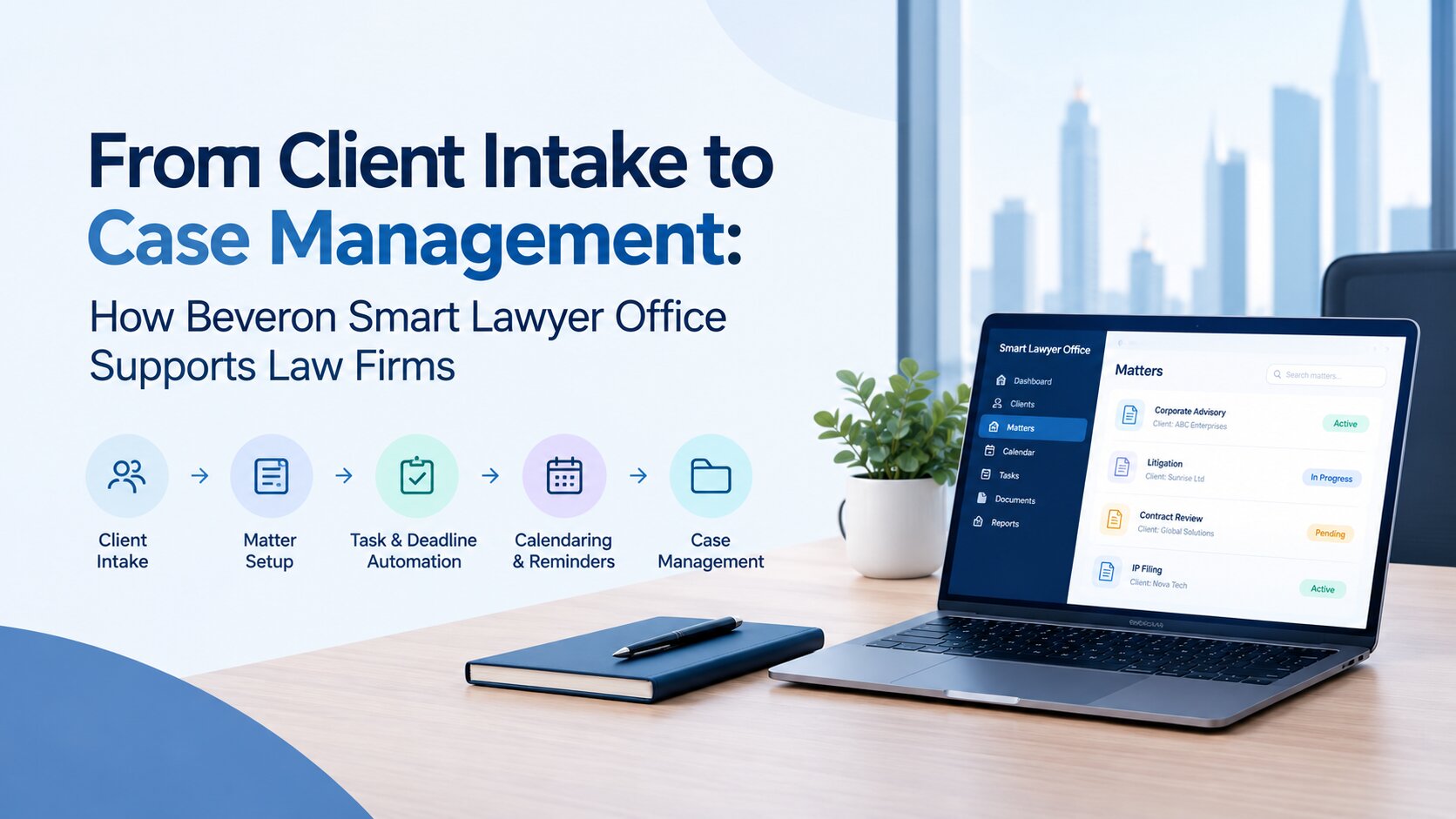
Smart Lawyer Office is a comprehensive legal practice management solution designed to help law firms streamline daily legal operations, manage cases efficiently, automate administrative workflows, and improve collaboration across legal teams. It centralises legal activities such as case tracking, document management, billing, scheduling, and client communication within a unified digital platform.
Smart Lawyer Office supports legal operations by helping firms:
- Centralise case management workflows
- Improve internal collaboration
- Organise legal documents efficiently
- Automate routine administrative tasks
- Improve billing visibility and reporting
For firms moving toward paperless and cloud-enabled legal operations, structured workflow systems can significantly improve day-to-day efficiency.
Future Trends in Legal Case Management Software
AI-Powered Legal Operations
AI adoption in legal operations is expected to continue growing through 2026 and beyond.
Firms are increasingly using AI-assisted tools for:
- Document review
- Legal research support
- Workflow prioritisation
- Contract analysis
Predictive Analytics in Law Firms
Analytics tools are helping firms better understand workload distribution, operational bottlenecks, and revenue forecasting.
This allows legal teams to make more informed operational decisions.
Increasing Demand for Paperless and Mobile Legal Workflows
Law firms are rapidly moving toward mobile-first and paperless workflows.
Features such as e-signatures, cloud document access, and mobile case tracking are becoming standard expectations rather than optional additions.
Frequently Asked Questions
What is legal case management software?
Legal case management software helps law firms organise cases, documents, billing, deadlines, and communication within one central platform.
How does legal case management software improve productivity?
It reduces manual administrative work through automation, improves collaboration, and helps legal teams manage tasks more efficiently.
Is cloud-based legal software secure?
Most modern legal SaaS platforms use encryption, secure backups, permission controls, and compliance-focused security frameworks to protect sensitive legal data.
What features should law firms prioritise?
Law firms should prioritise case tracking, document management, billing tools, workflow automation, secure communication, and reporting capabilities.
Can small law firms benefit from legal case management software?
Yes. Small firms often improve efficiency, reduce operational delays, and scale more effectively using structured legal technology systems.
Conclusion
Legal case management software has evolved from a convenience tool into a core operational requirement for modern law firms.
As legal teams manage growing caseloads, stricter compliance standards, and increasing client expectations, structured digital workflows are becoming essential for long-term efficiency and scalability.
The right platform can help firms improve collaboration, streamline billing, organise documentation, reduce administrative workload, and deliver a stronger client experience.
For law firms exploring ways to modernise operations in 2026, solutions such as Smart Lawyer Office offer an opportunity to centralise legal workflows while supporting productivity and operational visibility.
If your firm is evaluating legal workflow automation or looking to improve case management efficiency, exploring a live demo or consultation can be a practical next step toward understanding how modern legal technology fits into your daily operations.
Best legal case management software for law firms in the UAE
Best legal practice management software for lawyers in the UAE
Best litigation management software in the UAE
If you need a free demo of the best legal case management software for law firms in the UAE, please fill out the form below.