How AI-Powered Collections Accelerate Debt Recovery in the Philippines: A Smarter Way to Improve Cash Flow

Introduction
For many businesses in the Philippines, late payments have become more than just a minor administrative headache. They can have a direct impact on cash flow, day-to-day operations, and long-term growth.
Whether you're a lender in Manila, a distributor in Cebu, or a service provider in Davao, overdue invoices can quickly put pressure on your finances. Finance and collections teams often find themselves spending hours chasing payments, sending follow-up emails, updating spreadsheets, and trying to decide which accounts need attention first. Despite their best efforts, payments can still arrive late, and collection cycles often drag on longer than expected.
At the same time, customer expectations are evolving. People expect faster responses, digital communication, and a more personalised experience. Unfortunately, traditional debt collection processes weren't designed for today's business environment.
That's why more organisations are exploring AI-powered collections as a smarter way to manage accounts receivable and recover outstanding payments.
By combining automation, predictive analytics, and intelligent workflows, AI-powered collections help businesses work more efficiently, recover debt faster, and gain better visibility into their cash flow. As digital transformation continues across the Philippines, organisations are increasingly adopting AI-driven debt recovery solutions to modernise their collections processes and stay ahead of growing financial pressures.
Why Debt Recovery Remains a Major Challenge for Philippine Businesses
The Cost of Late Payments
Every late payment has a knock-on effect across the business.
When invoices remain unpaid, organisations may experience:
- Reduced working capital
- Delayed expansion plans
- Increased reliance on credit facilities
- Higher operational costs
- Greater uncertainty around cash flow
It's not uncommon for a business to appear profitable on paper while facing cash flow challenges because a significant amount of money is tied up in overdue receivables. This is particularly true for SMEs and growing businesses that depend on a steady stream of incoming payments to fund their operations.
Manual Collection Processes Slow Everything Down
Despite advances in technology, many organisations still rely on spreadsheets, emails, phone calls, and manual tracking to manage collections. While these methods may work when dealing with a small number of customers, they become increasingly difficult to manage as the business grows.
Common challenges include:
- Missed follow-ups
- Inconsistent communication with customers
- Limited visibility into outstanding accounts
- Time-consuming administrative work
- Difficulty identifying priority accounts
As a result, collections teams often spend more time managing processes than actually recovering payments.
Growing Pressure on Finance Teams
Finance departments are being asked to achieve more with fewer resources.
Today's credit controllers and collections professionals are expected to manage the following:
- Larger customer portfolios
- Higher collection targets
- More complex payment behaviours
- Increasing compliance and reporting requirements
Without the right technology in place, scaling collection operations can become both costly and inefficient.
What Are AI-Powered Collections?
AI-powered collections use artificial intelligence, machine learning, predictive analytics, and workflow automation to improve the debt recovery process. Instead of relying solely on manual decision-making, these systems analyse data, identify priorities, automate repetitive tasks, and help collections teams make smarter decisions.
For example, AI can assess payment histories, identify accounts that are most likely to become delinquent, recommend collection strategies, and automate customer communications. The result is a more proactive, efficient, and data-driven approach to debt recovery.
As AI continues to evolve, organisations are moving beyond basic automation and adopting more intelligent collection strategies that use predictive analytics, behavioural insights, and real-time decision-making. Our article on The Future of AI-Powered Debt Collection: Smarter, Faster Recovery explores the emerging technologies and trends shaping the next generation of debt recovery.
How AI Differs from Traditional Debt Collection
Traditional collection processes are typically reactive. Teams often wait until an invoice becomes overdue before taking action. AI-powered collections take a more proactive approach.
They can help organisations:
- Predict customer payment behaviour
- Prioritise accounts based on risk and value
- Automate routine follow-ups
- Trigger escalations automatically
- Monitor collection performance in real time
This enables finance teams to focus their efforts where they can make the biggest difference.
Technologies Behind AI-Powered Collections
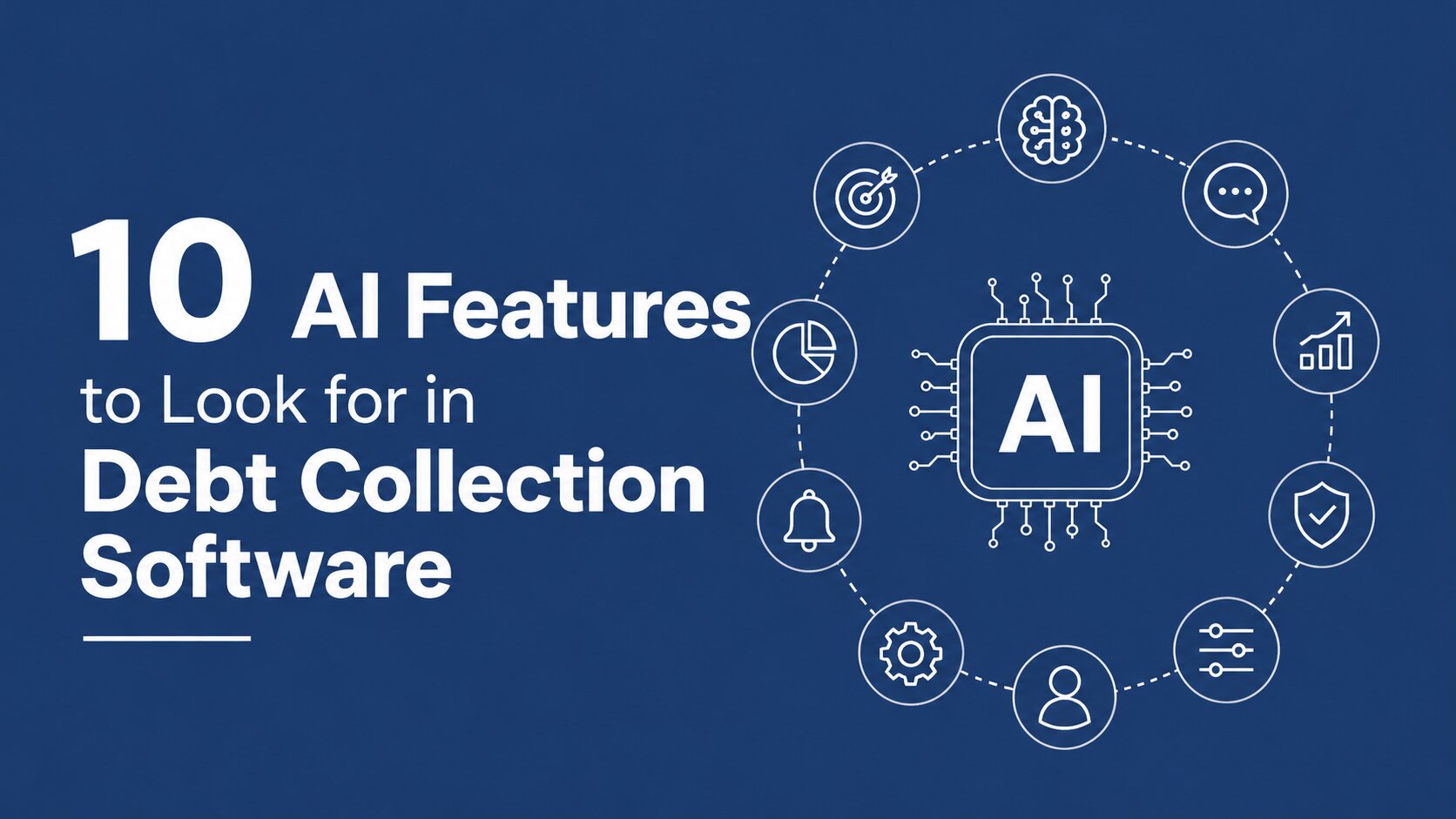
Modern collections platforms often combine several technologies, including:
- Machine learning
- Predictive analytics
- Workflow automation
- Customer segmentation
- Communication automation
- Real-time dashboards and reporting
Together, these capabilities create a more intelligent and scalable collections operation.
How AI-Powered Collections Accelerate Debt Recovery
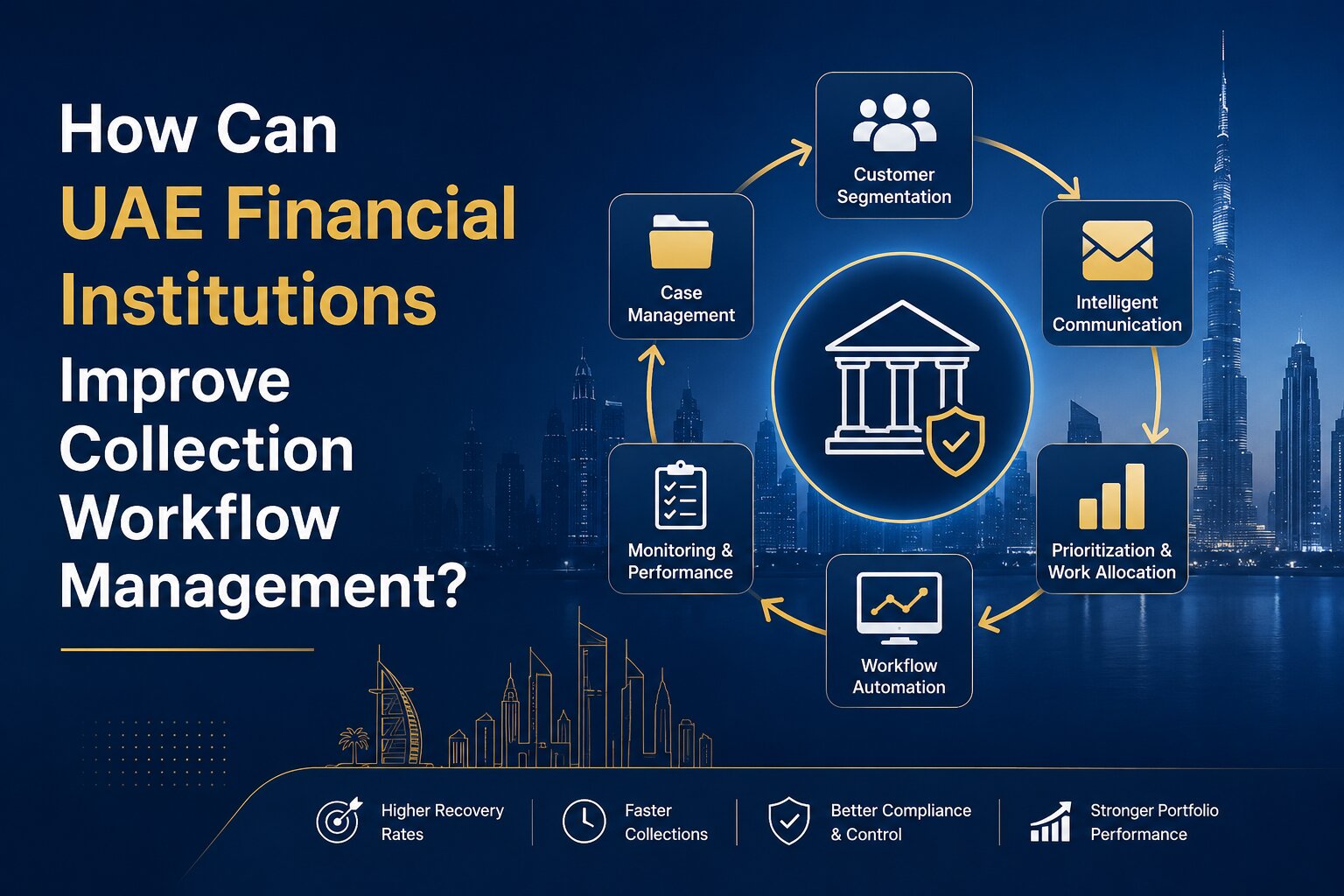
Intelligent Account Prioritisation
Not every overdue account should be treated the same way. Some customers simply need a reminder, while others may require immediate intervention.
AI helps collections teams identify which accounts deserve priority attention by analysing factors such as:
- Historical payment behaviour
- Outstanding invoice values
- Customer risk profiles
- Previous collection outcomes
This allows collectors to focus their time on accounts that are most likely to affect recovery performance and cash flow.
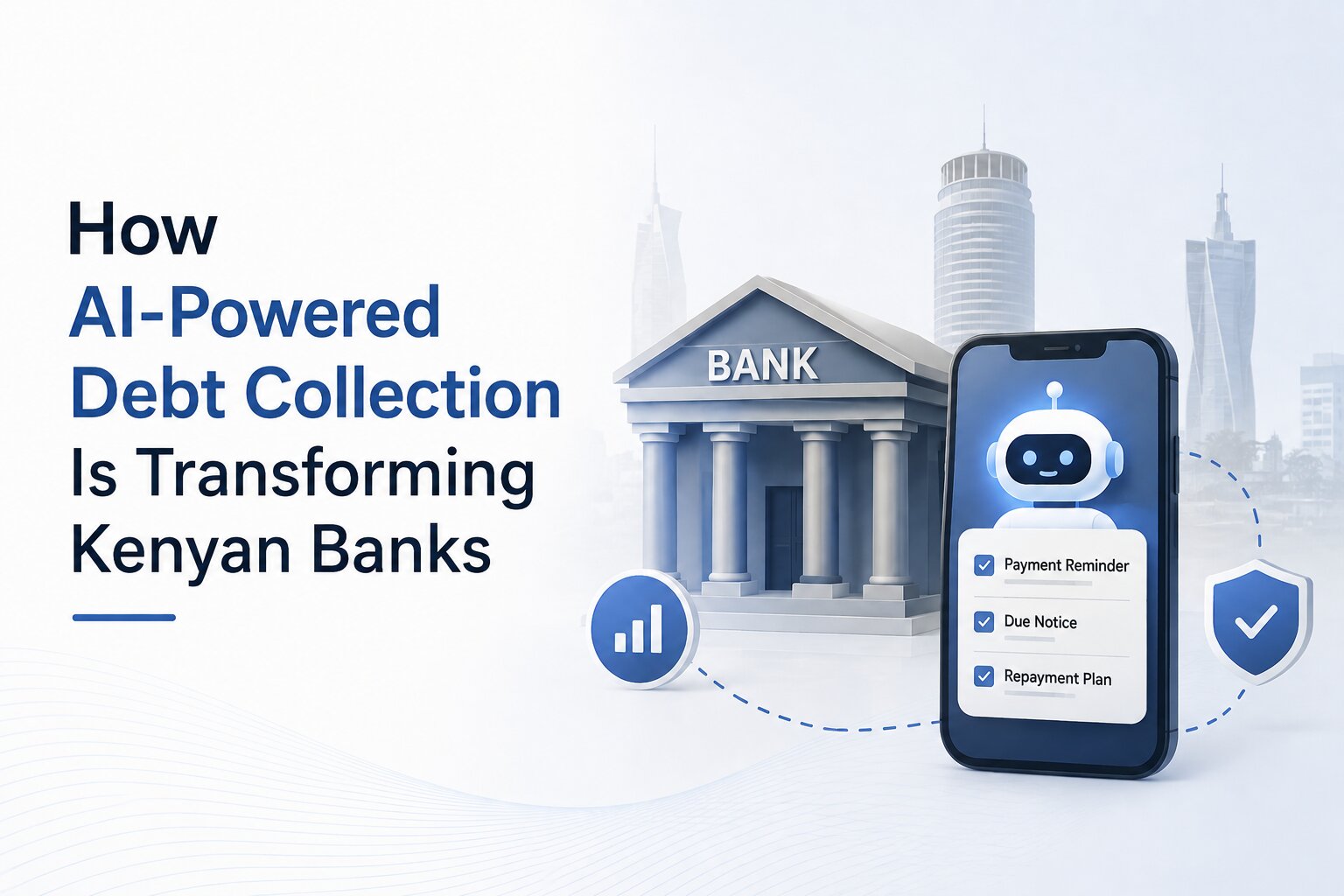
Automated Payment Reminder Workflows
Consistent communication is one of the most effective ways to encourage timely payments. However, manually sending reminders can be repetitive and difficult to manage at scale.
AI-powered collections automate this process through:
- Email reminders
- SMS notifications
- Scheduled follow-ups
- Escalation workflows
Customers receive timely communications throughout the collection process, helping reduce missed payments and improve response rates.
Automated payment reminders are often the first step towards a more efficient collections process. Businesses that embrace automation can reduce manual effort, improve payment follow-ups, and strengthen cash flow performance. Learn how organisations are achieving these outcomes in our guide on How UAE Businesses Can Automate Debt Collection and Improve Cash Flow Faster.
Predicting Customer Payment Behaviour
One of the most valuable aspects of AI is its ability to identify patterns hidden within large volumes of data. For example, AI can recognise that a customer regularly pays invoices two weeks late or that a previously reliable customer is beginning to show signs of payment risk.
These insights allow organisations to:
- Forecast payment likelihood
- Identify high-risk accounts earlier
- Tailor collection strategies
- Improve recovery planning
Rather than reacting to problems after they occur, businesses can take proactive steps to minimise risk.
Faster Escalation of Delinquent Accounts
Delayed escalation is a common challenge in manual collections environments. Often, by the time a serious delinquency is identified, recovery options may be more limited.
AI-powered workflows can automatically trigger actions such as:
- Supervisor reviews
- Escalation procedures
- Legal referrals
- High-priority recovery activities
This ensures that critical accounts receive prompt attention before balances become more difficult to recover.
Multi-Channel Customer Engagement
The way customers communicate has changed significantly. Some customers prefer email. Others respond more quickly to SMS, phone calls, or online portals. AI-powered collections platforms support multiple communication channels, allowing organisations to engage customers through the methods they are most likely to respond to.
The result is more effective communication, better customer engagement, and improved recovery outcomes.
Business Benefits of AI-Powered Debt Collection
Faster Debt Recovery
Automation removes many of the delays associated with manual collection processes. Routine tasks are handled automatically, allowing collections professionals to focus on activities that directly contribute to recovering outstanding payments.
This often leads to faster recovery cycles and improved collection performance.
Lower Days Sales Outstanding (DSO)
Days Sales Outstanding (DSO) is one of the most important metrics for measuring collection efficiency. A lower DSO means cash is collected faster and becomes available for business operations sooner.
AI-powered collections help reduce DSO by:
- Accelerating follow-ups
- Improving account prioritisation
- Increasing payment visibility
Improved Collector Productivity
Collections teams spend less time on repetitive administrative work and more time managing high-priority accounts.
This can result in:
- Greater account coverage
- Better recovery outcomes
- Lower operational costs
- Improved team efficiency
Better Customer Experience
Effective debt recovery isn't just about collecting payments. It's also about maintaining positive customer relationships. Automated communications help ensure that customers receive professional, consistent, and timely interactions throughout the collections process. This creates a smoother experience while preserving long-term business relationships.
Improved Cash Flow Visibility
Modern collections platforms provide finance leaders with real-time visibility into collection performance.
Teams can easily monitor the following:
- Outstanding receivables
- Recovery progress
- Payment trends
- Collection forecasts
This supports stronger financial planning and more informed decision-making.
AI-Powered Collections Use Cases Across Philippine Industries
Financial Institutions and Lenders
Banks, lending companies, and financial institutions use AI-powered collections to improve repayment management, identify delinquency risks, and streamline recovery efforts.
Telecommunications Providers
Telecommunications companies often manage large customer bases and recurring billing cycles. Automation helps them maintain consistent follow-up processes while improving collection efficiency.
Healthcare Organisations
Healthcare providers can use AI-driven collections to manage outstanding balances more effectively while maintaining a positive patient experience.
Manufacturing and Distribution
Businesses operating on extended payment terms benefit from improved visibility into receivables and more efficient collection workflows.
Professional Services Firms
Law firms, consultancies, and professional service providers can reduce administrative burdens while accelerating invoice collection and improving cash flow.
Responsible AI and Compliance in Debt Collection
While AI offers significant benefits, it should always be implemented responsibly.
AI should support decision-making, not replace human accountability.
Organisations should consider:
- Data privacy requirements
- Ethical communication practices
- Human oversight
- Transparent collection processes
- Audit trails and reporting
Responsible AI helps businesses improve recovery performance while maintaining customer trust and regulatory compliance.
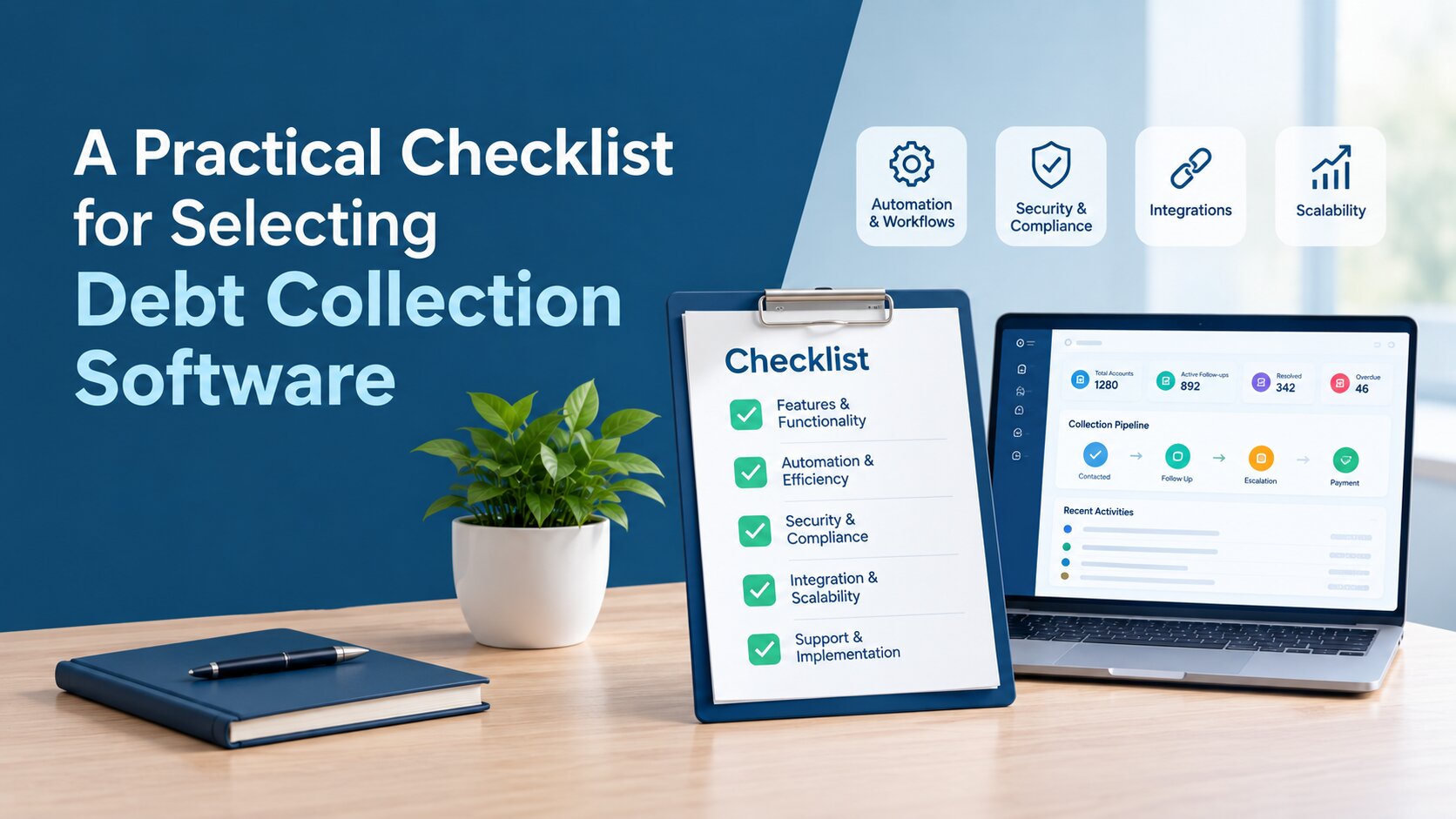
How to Evaluate AI-Powered Debt Collection Software
Selecting the right solution involves more than simply comparing features. Businesses should look for platforms that can support both their current needs and future growth plans.
Important capabilities include:
- Automated payment reminders
- Collection workflow automation
- Predictive analytics
- Customer segmentation
- Reporting and dashboards
- Compliance controls
- Multi-channel communication
- Integration with existing systems
It's also important to evaluate implementation support, scalability, and industry expertise.
Turning Collections Into a Strategic Advantage
Forward-thinking organisations no longer view collections as a purely administrative function. Instead, they recognise that effective debt recovery plays a critical role in financial performance and business resilience. By combining automation, analytics, and intelligent workflows, finance teams can improve recovery outcomes while reducing manual effort.
Beveron's Smart Debt Collection help organisations centralise collection activities, automate payment reminders, monitor performance, and gain greater visibility into the entire debt recovery process. Rather than relying on disconnected spreadsheets and manual tracking, teams can build a more structured, scalable, and efficient collections operation.
Organisations across emerging markets are increasingly adopting digital-first collection strategies to improve recovery rates and reduce operational inefficiencies. For additional insights into how businesses are modernising debt recovery processes, read our guide on Digital Debt Collection Strategies for Kenyan Enterprises in 2026
Conclusion
Late payments continue to be a significant challenge for businesses across the Philippines, affecting cash flow, working capital, and overall financial performance. Traditional collection methods often struggle to keep pace with growing customer volumes and changing payment behaviours.
AI-powered collections provide a more effective alternative. By automating routine tasks, prioritising accounts intelligently, predicting payment behaviour, and improving customer communication, organisations can accelerate debt recovery while improving operational efficiency.
As businesses across Manila, Quezon City, Cebu, Davao, and other key economic centres continue their digital transformation journeys, AI-powered collections are becoming an essential tool for improving cash flow and strengthening financial resilience. For finance leaders looking to modernise debt recovery operations, the question is no longer whether automation can help. It's how quickly they can take advantage of it.
Take the next step towards smarter debt recovery.
See how Smart Debt Collection can help your organisation streamline collections, improve productivity, and strengthen cash flow.
Best debt recovery software for finance teams in the Philippines
Best automated debt collection for banks in the Philippines
Best accounts receivable automation in the Philippines
If you need a free demo of the best debt recovery software for finance teams in the Philippines, please fill out the form below.