Best Practices for Managing Legal Workflows in Modern Law Firms

Introduction
Modern law firms operate in a fast-moving environment where workloads continue to increase, compliance requirements are becoming stricter, and clients expect quicker responses and better transparency. Managing legal workflows efficiently is no longer just an operational advantage—it is essential for maintaining accuracy, meeting deadlines, and improving overall productivity.
Without structured processes, many firms struggle with delays, duplicated work, and missed deadlines. Lawyers and support staff often spend valuable time on administrative tasks instead of focusing on legal strategy and client service. Scattered documents across emails and folders complicate tracking case progress and maintaining clear communication.
By adopting practical workflow practices and using the right technology, legal teams can streamline their operations, reduce errors, and work more efficiently. The following best practices can help law firms optimise workflows and build a more organized and productive legal environment.
Evaluate Existing Legal Workflows
Before improving workflows, it is important to understand how current processes operate. Identifying gaps and inefficiencies provides a clear starting point for improvement.
Map Every Step in the Process
Begin by outlining each stage of your legal workflow—from client intake to case closure. Mapping these steps helps reveal how work moves through the firm and where delays may occur.
Break down tasks such as the following:
- Client onboarding
- Document preparation
- Internal approvals
- Communication with clients
- Case tracking and updates
When every step is clearly defined, it becomes easier to identify redundant tasks or processes that slow down operations.
Identify Bottlenecks and Delays
Once the workflow is mapped, evaluate where work tends to stall. Delays often occur due to manual processes, unclear responsibilities, or limited visibility into case progress. Speak with lawyers, paralegals, and administrative staff to understand their daily challenges. Common issues may include repeated data entry, waiting for approvals, or difficulty locating documents.
Identifying these bottlenecks allows firms to prioritise areas that need improvement.
Set Clear Improvement Goals
After assessing existing workflows, define measurable goals for improvement. Clear objectives help ensure that workflow changes lead to meaningful results.
Examples of goals include:
- Reducing case turnaround time
- Increasing billable hours
- Improving compliance monitoring
- Enhancing task visibility across teams
Having defined targets provides a framework for evaluating progress as new processes are introduced.
Implement Smart Automation Tools
Technology plays a key role in improving workflow efficiency. Automation tools help reduce manual effort and keep processes organized.
Use Legal Practice Management Software
Adopting legal practice management software allows firms to manage cases, track deadlines, and store information within a single system. You can access everything from one platform instead of relying on separate tools for tasks and documents.
Key capabilities typically include:
- Case tracking and status updates
- Task assignment and monitoring
- Calendar and deadline management
- Centralised document storage
By consolidating information, legal teams gain better visibility into ongoing matters and reduce the risk of missed deadlines.
Automate Repetitive Tasks
Routine administrative work can consume a significant portion of a lawyer’s time. Automating repetitive tasks improves efficiency and ensures consistency.
Examples of tasks that can be automated include:
- Scheduling client meetings
- Sending reminders for deadlines
- Generating standard documents
- Managing follow-up communications
Automation reduces the need for manual intervention and helps legal professionals focus on higher-value work.
Leverage AI for Efficiency
Artificial intelligence (AI)—systems that perform tasks that typically require human reasoning—can further support workflow optimisation.
AI tools can assist with activities such as the following:
- Reviewing contracts
- Identifying potential risks
- Suggesting clauses during drafting
Firms can begin with simple automation and gradually expand to more advanced capabilities as their digital processes mature.
Standardise Legal Processes
Consistency is essential for maintaining efficiency and accuracy across legal workflows. Standardising processes ensures that tasks are completed in a structured and predictable way.
Create Document Templates
Legal teams often produce similar documents repeatedly. Creating templates for contracts, agreements, and notices helps reduce drafting time and ensures consistency. Using a central library of approved clauses also improves accuracy and ensures that documents follow internal standards.
Templates not only save time but also minimise the risk of errors or missing information.
Centralise Information
Keeping all legal information in a single system improves accessibility and reduces confusion. Storing case details, documents, and communication records together allows legal teams to quickly locate the necessary information.
Centralised systems also help maintain version control for documents and ensure that everyone is working with the most up-to-date information.
Simplify Client Intake
An efficient client intake process sets the foundation for effective case management. Structured intake procedures ensure that all required information is collected from the start.
Digital forms can be used to:
- Gather client information
- Perform conflict checks
- Assign cases automatically
This approach reduces manual paperwork and helps legal teams begin work faster.
Improve Collaboration and Team Adoption
Workflow improvements are only effective when teams fully adopt new processes. Encouraging collaboration and providing proper training are key factors in successful implementation.
Train Legal Teams Effectively
Introducing new systems without adequate training can lead to confusion and resistance. Providing clear guidance ensures that staff understand how to use new tools and workflows.
Training methods may include:
- Hands-on demonstrations
- Short learning sessions
- Internal documentation or guides
Continuous support helps teams feel confident when adopting new processes.
Encourage Feedback
Legal workflows should evolve. Encouraging team members to share feedback helps identify practical improvements that management may overlook. Regular feedback sessions can reveal challenges in daily operations and help refine processes.
Assign Clear Responsibilities
Clear role definitions prevent confusion and improve accountability. Each stage of the workflow should have a designated owner responsible for completing specific tasks.
This clarity ensures smoother collaboration and reduces delays caused by unclear responsibilities.
Monitor Performance and Optimise Continuously
Improving workflows is an ongoing process. Monitoring performance helps ensure that new practices remain effective.
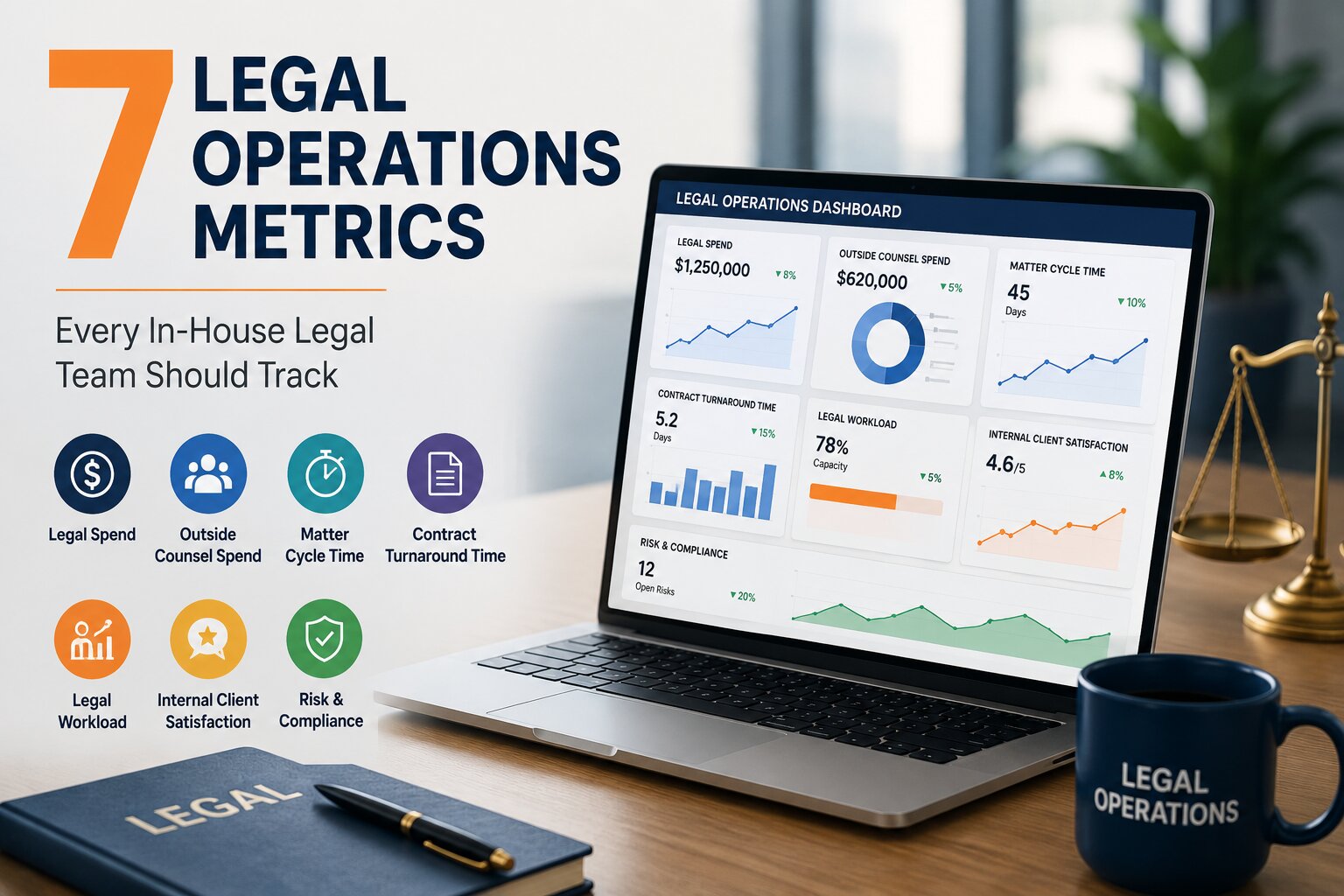
Track Key Metrics
Measuring workflow performance provides useful information about how efficiently legal tasks are completed.
Important metrics may include:
- Time spent on tasks
- Case completion rates
- Reduction in administrative work
- Client response time
By tracking these indicators, you can pinpoint areas that may require further enhancements.
Conduct Regular Reviews
Workflows should be reviewed periodically to ensure they remain relevant. Changes in regulations, client expectations, or firm operations may require adjustments to existing processes. Regular evaluations help ensure that workflows remain efficient and aligned with firm goals.
Ensure Compliance and Security
Legal work involves handling sensitive information, making compliance and data security critical.
Effective systems should provide:
- Audit trails showing activity history
- Secure document storage
- Controlled access permissions
These measures help protect confidential information and support regulatory requirements.
Focus on Client Experience
Efficient workflows do more than improve internal operations—they also enhance the overall client experience.
Improve Communication
Clear communication builds trust and strengthens relationships. Structured processes help ensure that clients receive timely updates on case progress. Automated notifications and reminders can keep clients informed without adding extra workload for legal teams.
Reduce Turnaround Time
Streamlined workflows allow cases to move through each stage more quickly. Faster responses and quicker document preparation improve client satisfaction.
Deliver Consistent Service
Standardized processes help ensure that every client receives the same level of professionalism and attention. Consistency strengthens a firm’s reputation and encourages long-term client relationships.
Conclusion
Managing legal workflows effectively requires a mix of clear processes, practical automation, and continuous improvement. Law firms that implement structured workflows can reduce manual work, improve accuracy, and boost overall productivity. By reviewing current processes, adopting the right automation tools, and encouraging collaboration, legal teams can simplify complex tasks and work more efficiently, benefiting both the firm and its clients. Solutions from Beveron can support this approach by helping firms streamline operations and maintain consistency across their workflows.
Looking to simplify legal workflows and improve efficiency?
Streamline workflows, stay compliant, and simplify case management with Beveron’s advanced legal software.
Best legal workflow management software
Best legal practice management software
Best case management for lawyers
If you need a free demo on the best legal workflow management software, please fill the form below.