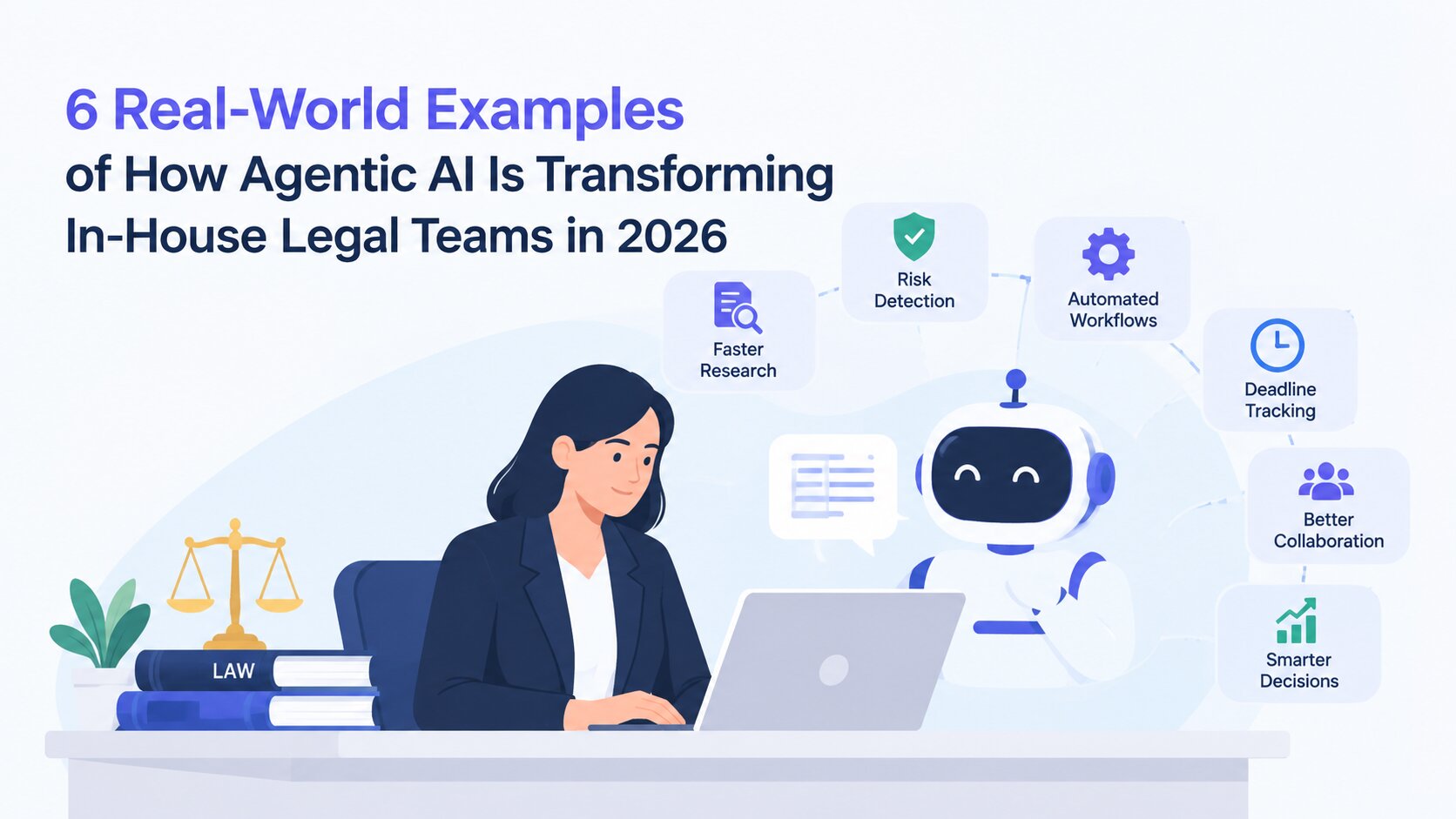
6 Real-World Examples of How Agentic AI Is Transforming In-House Legal Teams in 2026
For years, legal technology has focused on making individual tasks faster. Automate a workflow. Generate a document. Send a reminder. Route an approval. Agentic AI is beginning to change that model.
Instead of waiting for a person to trigger every step, AI agents can work toward a defined goal, coordinate multiple actions, use available context and identify when something needs human attention. For in-house legal teams dealing with growing contract volumes, business requests and compliance responsibilities, that shift could be significant.
The real value of agentic AI is not simply that it can do more tasks. It is that it can connect tasks into workflows and help legal teams move from constantly reacting to requests toward operating more proactively.
Here are six practical examples of how agentic AI can support in-house legal teams.
Why In-House Teams Are Moving From Automation to Agentic Workflows
Legal departments have already invested heavily in automation. Contract workflows, approval processes, document templates and matter management systems have all helped reduce repetitive work.
But traditional automation has limitations.
The Limits of Rule-Based Legal Tech in High-Volume Environments
Most conventional legal automation follows a predefined path.
For example, a workflow might say:
- If a contract is submitted, send it for review.
- If the contract value exceeds a certain amount, escalate it.
- If an approval is delayed, send a reminder.
This works well when processes are predictable. The problem is that legal work is rarely entirely predictable.
Contracts contain different language. Business requests arrive with incomplete information. Risks depend on context. A regulatory update may affect one part of the organisation but not another. A workflow that works perfectly for a standard NDA may not work for a complex vendor agreement.
Rule-based automation can execute instructions efficiently, but it usually depends on someone defining those instructions in advance. As legal departments handle larger volumes of work across more jurisdictions and business functions, maintaining hundreds of rigid rules can become difficult. That is where agentic workflows introduce a different approach.
What "Agentic" Changes About How Legal Work Gets Executed, Not Just Assisted
Traditional AI often acts as an assistant. A lawyer asks a question, uploads a document or provides a prompt, and the system generates an output. Agentic AI can take a more active role within defined boundaries. An agent may be given an objective, such as reviewing an incoming agreement, identifying non-standard clauses or preparing a request for approval. It can then break the task into multiple steps, gather relevant information and determine what needs to happen next.
This does not mean the AI should independently make legal decisions. The more practical model for in-house legal teams is controlled autonomy. The agent handles routine coordination, information gathering and workflow execution, while legal professionals remain responsible for judgment, risk assessment and important decisions.
The difference is subtle but important. Automation follows a fixed process, while agentic AI can help manage a workflow when the path is less straightforward. To see how this shift can apply to everyday legal work, explore our guide on How Agentic AI Can Transform Day-to-Day Legal Operations, which covers practical applications such as contract workflows, regulatory monitoring, deadline management and legal research.
6 Real-World Examples of Agentic AI in In-House Legal Teams
The following examples show where agentic AI is beginning to have practical relevance in corporate legal operations. Not every legal team will use these capabilities in exactly the same way, but the underlying workflows are becoming increasingly relevant.
1. Autonomous First-Pass Contract Review and Risk Flagging
Contract review is one of the clearest applications for agentic AI. In many organisations, contracts arrive through email, procurement systems or legal intake portals. A lawyer must first understand what type of agreement it is, review the relevant clauses, compare the terms against company standards and decide what requires attention.
An AI agent can support much of that first stage.
What triggers the agent?
A new contract is submitted to the legal team or contract management system.
What does the agent do?
The agent can identify the type of agreement, extract key terms and review important clauses against predefined legal standards or playbooks. It may identify unusual indemnity language, non-standard liability provisions, missing confidentiality obligations or terms that fall outside approved positions. Rather than simply producing a summary, the agent can organise the issues, prioritise them based on risk and prepare the contract for legal review.
For example, instead of receiving a 40-page vendor agreement with no context, the lawyer may receive:
- A summary of the agreement
- Key commercial and legal terms
- Clauses that deviate from the company's standard position
- Potential risk areas
- Suggested issues requiring legal attention
What still requires a human?
Legal judgment. The AI can identify deviations, but determining whether a deviation is commercially acceptable or legally appropriate should remain with qualified legal professionals. The goal is not to remove lawyers from contract review. It is to reduce the time spent finding routine issues so lawyers can focus on the issues that actually require expertise.
2. Self-Initiating Renewal and Obligation Tracking Across the Contract Lifecycle
Many contracts do not create problems when they are signed. Problems arise months or years later when obligations, notice periods and renewal deadlines are missed. Traditional contract management systems can send reminders based on dates entered into the system. Agentic AI can potentially take monitoring further.
What triggers the agent?
An approaching deadline, renewal date, contractual obligation or change in related business information.
What does the agent do?
The agent can monitor relevant contracts continuously and identify events that require action.
For example, if a supplier agreement is approaching its renewal notice period, the agent could:
- Review the contract terms
- Identify the required notice period
- Check whether the contract has been actively used
- Gather relevant performance or business information
- Notify the appropriate contract owner
- Initiate the renewal or review workflow
The same approach can apply to ongoing obligations. If a contract requires periodic reporting, insurance certificates or compliance documentation, an agent could monitor those requirements and identify missing actions before they become a problem. This is where the shift from passive contract storage to active contract intelligence becomes more visible.
What still requires a human?
The decision to renew, terminate or renegotiate an agreement. An AI agent can surface the relevant information and initiate the process, but business and legal stakeholders should remain responsible for strategic decisions.
3. Multi-Step NDA and Vendor Agreement Triage Without Manual Routing
Legal teams often spend a surprising amount of time managing incoming requests. A business user sends an NDA. Procurement submits a supplier agreement. Someone asks legal to review a marketing partnership. Another request arrives with no supporting documents or commercial context. Before any legal analysis begins, someone has to understand the request, gather missing information and route it to the right person.
An agentic workflow can help manage this process.
What triggers the agent?
A new legal request enters an intake portal, shared inbox or workflow system.
What does the agent do?
The agent can review the request and determine what type of legal matter it involves. If it is a standard NDA, the agent may check whether an approved template can be used. If information is missing, it can request the necessary details from the business user.
For a vendor agreement, the agent might gather information such as:
- Contract value
- Business owner
- Vendor location
- Type of service
- Data processing requirements
- Expected signing timeline
Once the necessary information is available, the request can be categorised and routed appropriately. Low-risk, standard requests may follow an accelerated workflow. More complex matters can be escalated to legal counsel immediately.
What still requires a human?
Exception handling and legal review. The system should not independently decide how to handle unusual legal risks. Instead, it helps ensure that lawyers receive complete, properly categorised requests rather than spending time chasing basic information. For high-volume in-house legal teams, this could significantly improve intake efficiency.
4. Cross-Referencing Clauses Against Internal Playbooks at Scale
Legal teams often rely on internal playbooks to maintain consistency in negotiations. A playbook may define preferred language, acceptable fallback positions and clauses that require escalation. The challenge is applying that guidance consistently across hundreds of contracts. This is another area where agentic AI can support legal operations.
What triggers the agent?
A contract or clause is submitted for review.
What does the agent do?
The agent can identify relevant clauses and compare them against internal legal playbooks, approved templates and previous positions.
It may then determine whether the clause:
- Matches the preferred position
- Falls within an acceptable fallback position
- Requires additional review
- Represents a significant deviation
The agent can also consider the broader context of the agreement rather than evaluating every clause in isolation.
For example, a limitation of liability clause might be acceptable in one type of agreement but require escalation in another. At scale, this allows legal teams to apply institutional knowledge more consistently.
What still requires a human?
Interpretation and approval of exceptions. Playbooks provide guidance, but legal negotiations often involve commercial trade-offs that cannot be reduced to a simple rule. A lawyer may decide to accept a non-standard clause because of the strategic importance of a deal. That kind of decision requires context and judgment.
Agentic AI can make the playbook easier to apply. It should not replace the people responsible for interpreting it.
5. Proactive Compliance Monitoring That Escalates Only Exceptions
Compliance monitoring is often reactive. A new regulation is announced. Someone identifies it as relevant. Legal or compliance teams investigate the impact. Business units are contacted. Policies and processes may eventually be updated. The challenge is not just understanding regulatory changes. It is identifying which changes actually matter to the organisation. Agentic AI can potentially help legal teams move toward more continuous monitoring.
What triggers the agent?
A regulatory update, policy change, internal event or identified compliance exception.
What does the agent do?
The agent can monitor relevant information sources and compare new developments against the organisation's existing policies, contracts and business operations. It may identify potential areas of impact and bring only relevant exceptions to the attention of legal or compliance professionals.
For example, if a regulatory change affects data processing requirements, the agent could help identify:
- Relevant internal policies
- Existing contracts involving affected data
- Business units operating in the relevant jurisdiction
- Processes that may require review
Instead of asking legal teams to manually investigate every development from scratch, the system can help narrow the focus.
What still requires a human?
Legal interpretation and compliance decisions. Determining how a regulation applies to a specific organisation remains a complex legal responsibility. AI can support research, monitoring and impact assessment, but legal professionals must validate conclusions and determine the appropriate response. The opportunity is not autonomous compliance. It is more targeted and proactive compliance work.
6. Coordinating Multi-Party Approval Workflows Across Legal, Procurement and Business Teams
Many legal delays have little to do with legal analysis. A contract may sit waiting for procurement input. Procurement may be waiting for finance. Finance may need clarification from the business owner. Legal is copied into a series of emails but has no clear visibility into what is causing the delay. This is a coordination problem. Agentic AI can help manage multi-party workflows by understanding the status of a process and identifying what needs to happen next.
What triggers the agent?
A contract or legal matter reaches a stage requiring approval, review or input from multiple stakeholders.
What does the agent do?
The agent can identify required participants, track outstanding actions and follow up with the appropriate stakeholders. If an approval is delayed, it can determine whether the delay is caused by missing information, an unavailable approver or an unresolved issue. It may also gather relevant context before requesting action.
For example, instead of sending a generic reminder that says, "Your approval is pending," the agent could provide a concise explanation of what the stakeholder needs to review and why. Across legal, procurement, finance and business teams, this can reduce the amount of manual coordination required to keep workflows moving.
What still requires a human?
The approval itself. An AI agent can coordinate the process, but it should not approve contracts, commit the organisation to obligations or override established governance requirements. Its role is to reduce friction around the process, not bypass accountability.
What These Examples Reveal About the Future of In-House Legal Work
The six examples above may appear different on the surface, but they point toward the same broader change. Agentic AI is less about replacing individual legal tasks and more about connecting work across the legal lifecycle.
From Reactive Requests to Proactive Legal Operations
Most in-house legal teams are still heavily request-driven.
Someone sends a contract. Legal reviews it.
A deadline approaches. Legal responds.
A regulatory issue is identified. Legal investigates it.
A stakeholder asks for help. Legal provides advice.
Agentic workflows introduce the possibility of a more proactive operating model. Systems can monitor deadlines, identify exceptions, gather context and initiate workflows before someone manually asks them to do so. This could change how legal teams allocate their time.
Instead of spending a large share of the day managing routine requests and coordinating processes, legal professionals can focus more on strategic advice, complex negotiations, risk management and business decisions.
That does not happen automatically by adding AI to an existing workflow. Legal teams may need to rethink how work is structured in the first place.
This shift is part of a broader transformation in how corporate legal departments are approaching AI and legal operations. For a wider perspective on this evolution, see The Rise of Agentic AI in Legal Operations: What Corporate Legal Teams Need to Know, which explores key use cases, governance considerations and practical steps for adopting Agentic AI.
Where Human Judgment Remains Irreplaceable
The discussion around AI in legal sometimes creates a false choice between full automation and no automation.
In reality, the most practical future is likely to involve collaboration.
AI is particularly useful for:
- Monitoring information
- Processing large volumes of documents
- Gathering context
- Coordinating repetitive workflows
- Identifying patterns and exceptions
- Preparing information for review
Lawyers remain essential for:
- Applying legal judgment
- Interpreting complex situations
- Balancing legal and commercial risks
- Advising business leaders
- Negotiating sensitive matters
- Making high-impact decisions
- Taking professional responsibility
Agentic AI may change the way legal work is organised, but it does not remove the need for human accountability. In fact, as AI systems become more capable, governance and human oversight become even more important.
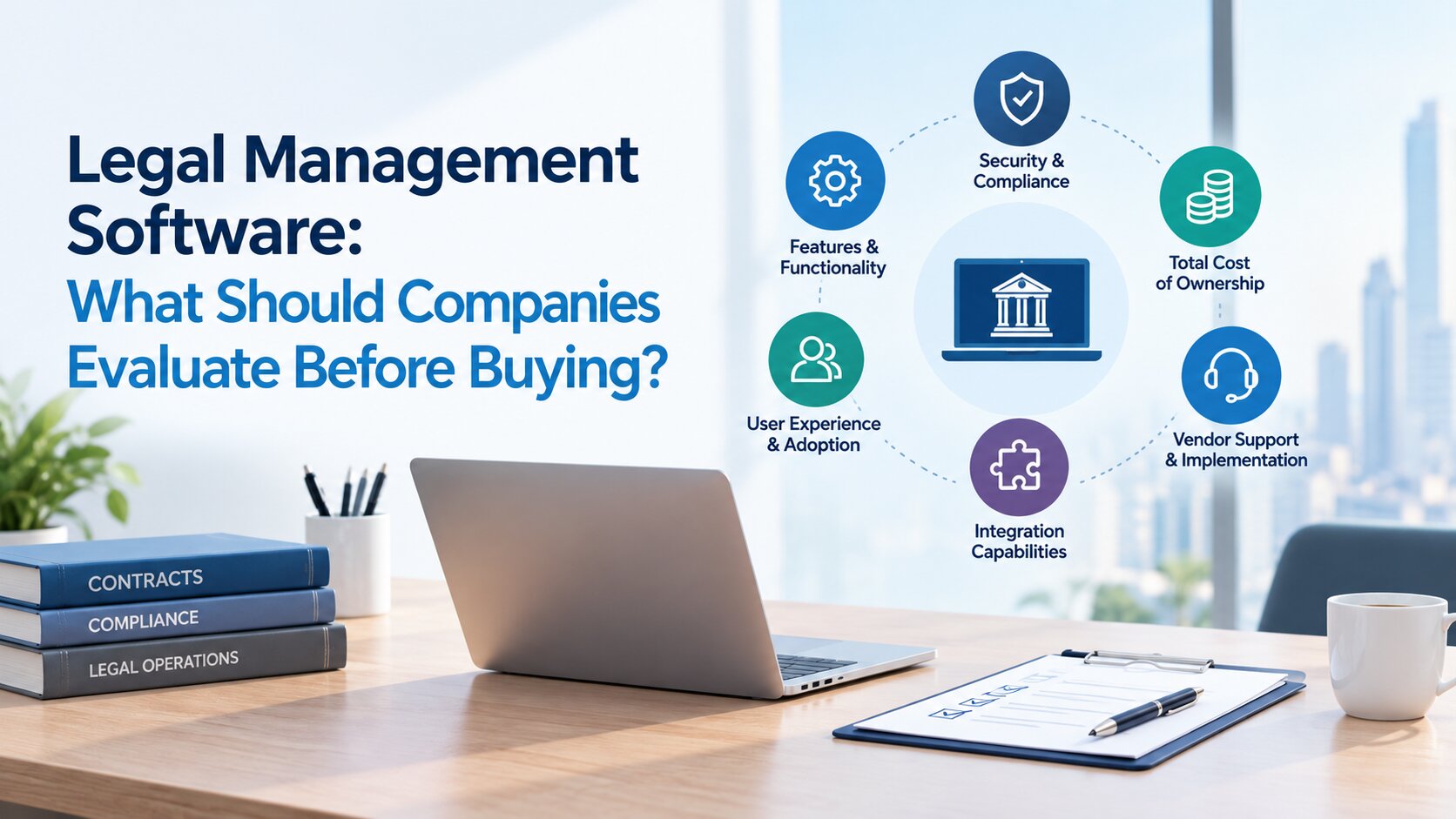
What Legal Teams Should Evaluate Before Adopting Agentic Tools
The question for legal leaders is not simply, "Which AI tool should we buy?" A more useful question is, "Which parts of our legal workflow are suitable for controlled autonomy?"
Before adopting agentic AI, in-house legal teams should evaluate several factors.
Workflow maturity: AI works best when the organisation understands its existing processes. If a workflow is unclear or inconsistent, adding an AI agent may create more confusion rather than less.
Data quality: Agents depend on access to reliable information. Fragmented contracts, outdated records and poorly organised data can limit the effectiveness of any AI system.
Governance: Teams need clear boundaries around what an AI agent can access, recommend and execute.
Human oversight: Not every task should be automated to the same degree. High-risk decisions should include clear approval checkpoints.
Integration: Agentic AI becomes more useful when it can work alongside existing legal systems, contract platforms and business applications rather than operating as another disconnected tool.
Measurable outcomes: Legal teams should define what success looks like. That could mean faster contract turnaround, fewer missed obligations, reduced administrative workload or improved visibility into legal requests.
Starting small is usually more practical than attempting to transform the entire legal function at once. A focused use case with clear boundaries can provide valuable lessons before broader adoption.
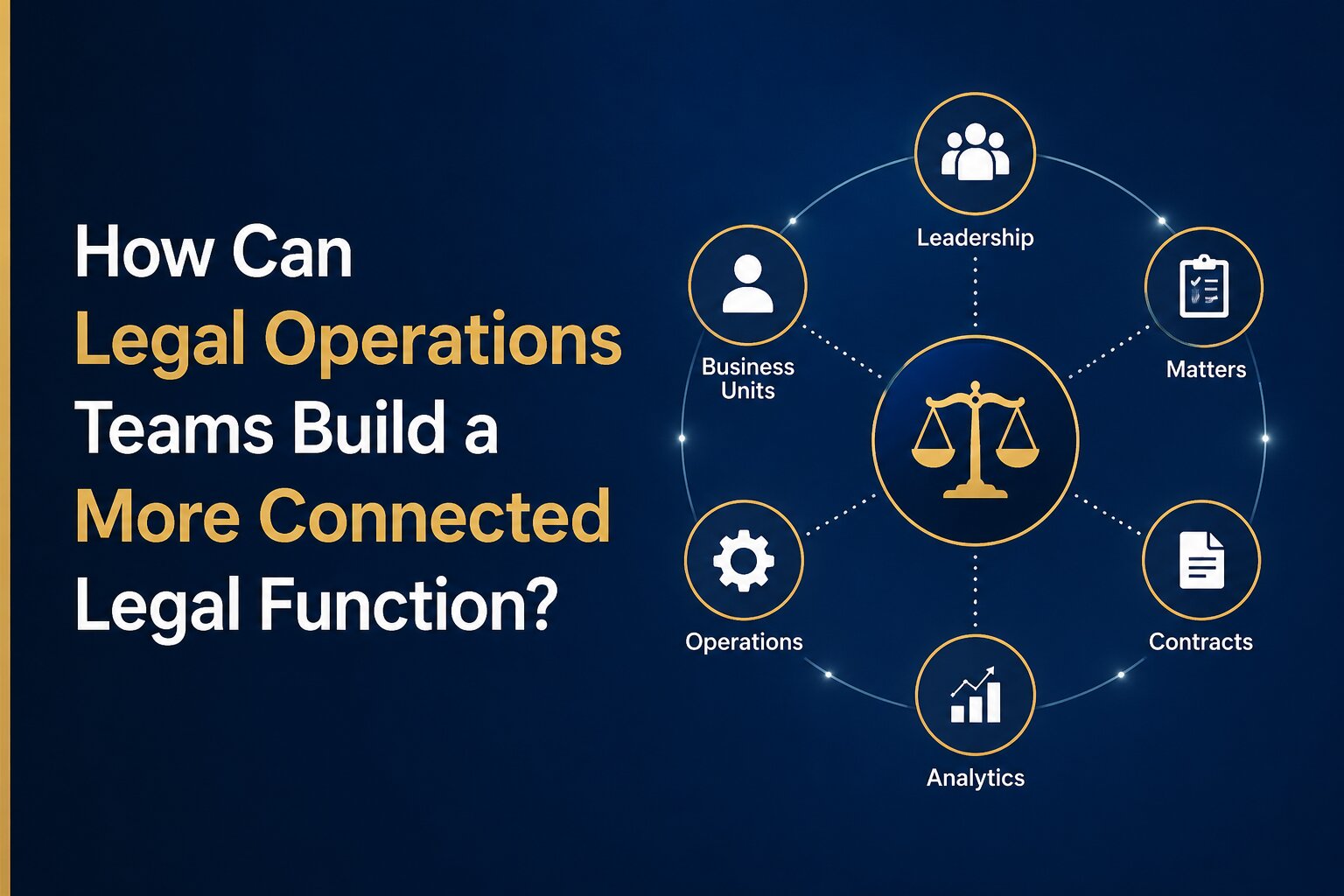
For example, an in-house legal team exploring AI-enabled legal operations may benefit from a platform that brings legal matters, contracts, workflows and approvals into one structured environment. Beveron Smart Legal Counsel can support this approach by giving corporate legal teams a central platform to manage legal work and workflows, helping reduce reliance on disconnected tools and manual coordination.
The goal is not to introduce AI simply because it is new. It is to identify where intelligent technology can remove operational friction while keeping legal judgment, governance and accountability firmly in human hands.
Frequently Asked Questions
1. Is Agentic AI the Same as Legal Automation?
No. Traditional legal automation usually follows predefined rules and workflows. Agentic AI can take a more dynamic approach by working toward a goal, managing multiple steps and responding to changing context within defined boundaries. The two technologies can also work together. Agentic AI does not necessarily replace automation; it can add more intelligence and flexibility to existing automated workflows.
2. What Tasks Should Stay Human-Reviewed Even With Agentic AI in Place?
High-impact legal decisions should remain subject to human oversight. This can include approving significant contractual deviations, providing formal legal advice, interpreting complex regulatory requirements, making strategic risk decisions and approving actions that create legal or financial obligations.
AI can support these processes by gathering information and identifying issues, but accountability should remain with qualified professionals.
3. How Do In-House Teams Start Adopting Agentic AI Without Disrupting Existing Workflows?
The best starting point is usually a repetitive, high-volume workflow with clearly defined boundaries. For example, legal intake, first-pass contract review or obligation monitoring may be easier starting points than highly complex legal decision-making. Teams should test the workflow, establish clear human approval points and measure the results before expanding agentic capabilities to other areas.
The Bigger Shift Is Already About More Than Automation
Agentic AI is still evolving, and legal teams should approach it with realistic expectations. Not every workflow needs an autonomous agent, and not every legal decision can or should be delegated to AI. But the direction of travel is becoming clearer. The next generation of legal technology will not simply help lawyers complete individual tasks faster. It will increasingly help legal teams coordinate work, monitor risks and manage processes across multiple systems and stakeholders.
For in-house legal departments, that creates an opportunity to rethink how legal work gets done. The most successful teams may not be the ones that automate the most tasks. They may be the ones that identify where intelligent, controlled autonomy can remove operational friction while preserving the human judgment that legal work still depends on.
The future of legal operations is unlikely to be fully autonomous. It is more likely to be a smarter partnership between legal professionals, automation and AI agents working together.
Explore What Agentic AI Could Mean for Your Legal Operations
Agentic AI will look different for every legal department. The right approach depends on existing workflows, systems, governance requirements and the types of work your legal team handles every day. For organisations exploring the next stage of legal technology, the starting point is often understanding where intelligent automation and agentic capabilities can create the most value without compromising oversight, security or control.
Beveron Smart Legal Counsel can help corporate legal teams build a more connected approach to legal operations by bringing legal work, workflows, contracts and approvals into a structured digital environment. Rather than introducing AI as another standalone tool, legal teams can explore how technology can support existing processes while keeping human judgment and accountability at the centre.
If your organisation is evaluating how AI-enabled workflows can improve the way legal work is managed,
Explore Beveron Smart Legal Counsel and see how a connected legal operations platform can support a more efficient and proactive legal function.
Best agentic AI for in-house legal teams in the UAE
Best agentic AI for legal teams in the UAE
Best agentic AI use cases in legal in the UAE
If you need a free demo of the best agentic AI for in-house legal teams in the UAE, please fill out the form.