5 Common Myths About Legal Technology That Law Firms Should Stop Believing

Why Legal Technology Adoption Is Still a Challenge for Many Law Firms
Many law firms still rely on traditional methods to manage their daily work—manual document handling, scattered emails, spreadsheets, and paper files. While these processes may feel familiar, they can slow down operations and make it harder to keep up with modern client expectations.
The legal industry is evolving rapidly. Today, firms are expected to manage cases more efficiently, communicate faster, and maintain better organization across teams. This shift has led many firms to explore legal technology and modern law firm software to simplify operations.
However, despite the growing availability of digital tools, many law firms hesitate to adopt them. The reason is often not the technology itself, but the common misconceptions surrounding it. Some firms believe it is too complicated, too expensive, or even a threat to the legal profession.
In reality, most of these concerns are based on myths rather than facts. Understanding the truth behind these misconceptions can help law firms make better decisions and take advantage of tools designed to make their work easier.
Let’s take a closer look at five common myths about legal technology that law firms should stop believing.
5 Common Myths About Legal Technology
Myth 1 – Legal Technology Is Too Expensive for Small and Mid-Size Law Firms
One of the most common misconceptions is that legal technology requires large upfront investments and is only suitable for large law firms with significant resources. While this may have been true in the past, modern legal technology has become far more accessible.
Cloud-Based Solutions Reduce Upfront Costs
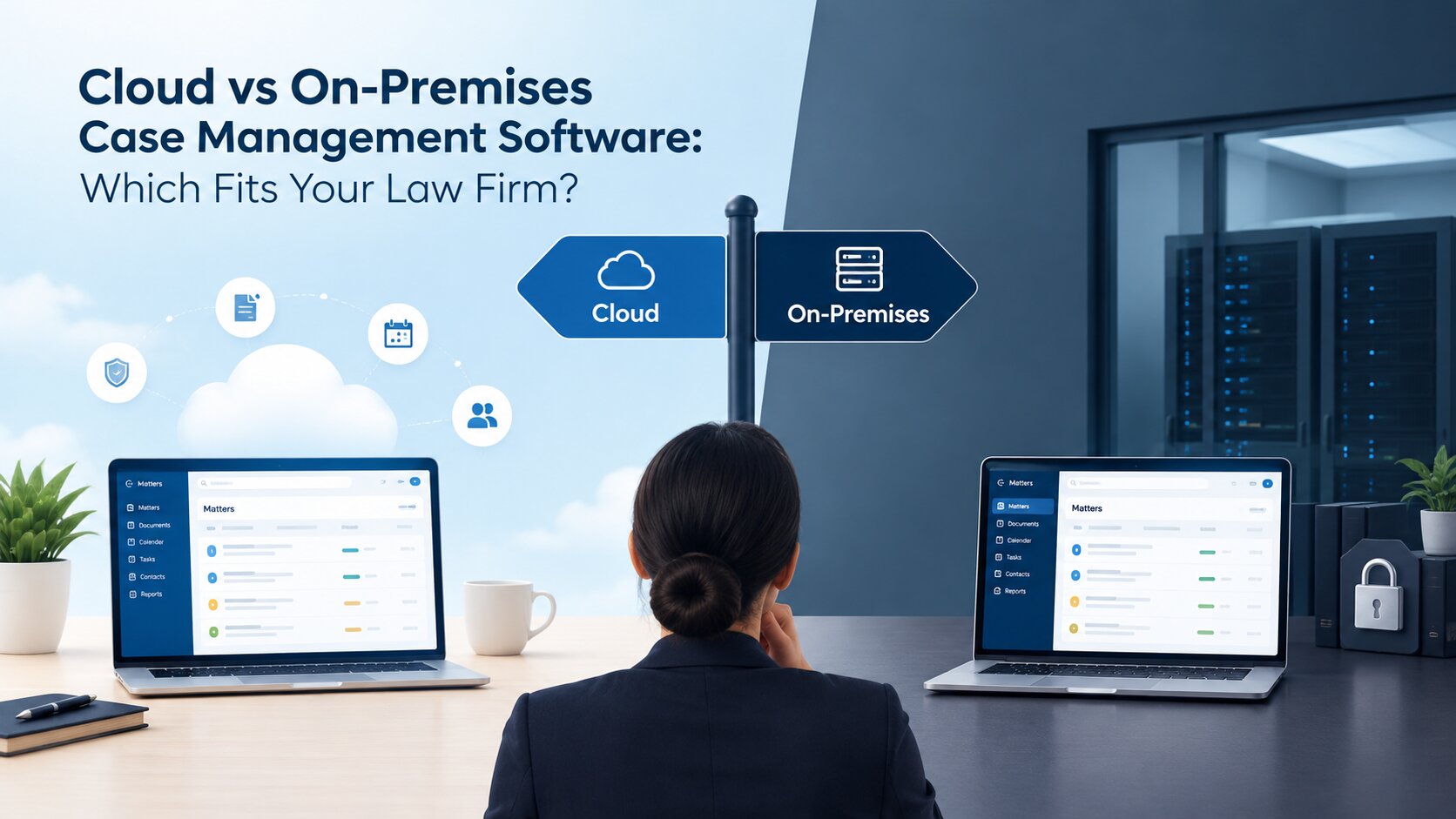
Many modern legal platforms are cloud-based, meaning law firms no longer need to invest in expensive infrastructure or servers. Cloud systems allow firms to access software securely through the internet while reducing IT costs.
Subscription Pricing Makes Legal Tech More Accessible
Subscription-based pricing models allow law firms to pay predictable monthly or annual fees rather than make large capital investments. This makes legal technology accessible for small and mid-size firms that want to improve operations without major financial commitments.
Efficiency Gains Deliver Long-Term Value
Legal technology helps automate repetitive tasks such as document management, case tracking, and reporting. As a result, lawyers can focus more on high-value legal work, improving productivity and delivering better results for clients.
Myth 2 – Legal Technology Will Replace Lawyers and Legal Staff
Another widespread concern is that legal technology will replace lawyers or reduce the need for legal staff. In reality, legal technology is designed to support legal professionals rather than replace them.
Technology Enhances Lawyer Capabilities
Legal software helps lawyers manage complex workloads by organizing case information, tracking deadlines, and providing quick access to legal documents. This enables legal professionals to work more efficiently while maintaining control over legal decisions.
Automation Handles Routine Administrative Tasks
Administrative work often consumes a significant portion of a lawyer’s time. Automation tools can handle repetitive tasks such as document organization, reminders, and workflow management. This allows lawyers to focus on legal strategy, client advisory, and case analysis.
Human Judgment Remains Essential
Legal work involves negotiation, legal reasoning, and strategic thinking—areas where human expertise remains essential. Technology can assist with data and organization, but final legal decisions always rely on professional judgment.
Myth 3 – Legal Tech Is Too Complex for Law Firm Staff
Some law firms hesitate to adopt legal technology because they believe it requires advanced technical skills. However, modern legal platforms are designed with ease of use in mind.
Modern Legal Platforms Are User-Friendly
Legal software today typically features intuitive dashboards and simple interfaces that make it easy for legal teams to navigate and manage information.
Training and Support Simplify Adoption
Most legal technology providers offer onboarding support, documentation, and training resources that help firms transition smoothly to new systems.
Cloud Systems Reduce IT Maintenance
Cloud-based platforms eliminate the need for firms to manage software installations, updates, or server maintenance. This reduces the technical burden on law firm staff and allows them to focus on their core responsibilities.
Myth 4 – Legal Technology Puts Client Data at Risk
Data security is a critical concern for law firms, which often handle highly sensitive client information. Some firms assume that digital systems increase security risks.
In reality, modern legal technology platforms are built with strong security measures.
Advanced Encryption Protects Sensitive Data
Many legal platforms use advanced encryption methods to protect data during storage and transmission, ensuring that confidential information remains secure.
Cloud Infrastructure Enhances Security
Professional cloud providers invest heavily in security infrastructure, monitoring systems, and data protection measures. In many cases, these systems offer stronger protection than traditional on-premise setups.
Compliance Features Support Regulatory Requirements
Legal technology platforms often include built-in compliance tools that help firms follow regulatory requirements and maintain secure data management practices.
Myth 5 – Legal Technology Disrupts Law Firm Workflows
Some law firms worry that introducing new technology will disrupt existing workflows or complicate daily operations. However, modern legal platforms are designed to integrate smoothly into legal processes.
Gradual Implementation Supports Smooth Transition
Legal technology can be implemented gradually, allowing firms to adopt new tools step by step without disrupting ongoing work.
Technology Improves Client Communication
Digital platforms help lawyers communicate with clients more effectively by providing better case visibility, document sharing, and updates.
Streamlined Processes Improve Client Experience
By organizing case information and automating routine tasks, legal technology helps firms respond faster to client requests and deliver services more efficiently.
How Modern Legal Technology Platforms Help Law Firms Move Beyond These Myths
Understanding the myths around legal technology is only the first step. The real value comes from adopting tools that simplify everyday legal operations while improving efficiency and security.
Beveron develops practical legal technology solutions designed to help law firms manage cases, documents, and workflows without unnecessary complexity. Instead of forcing teams to adapt to complicated systems, the focus is on tools that support everyday legal work and improve organization.
These solutions help legal teams streamline operations, stay on top of deadlines, protect sensitive information, and reduce time spent on repetitive administrative tasks.
Simplify Daily Operations
Law firms often manage multiple cases, documents, and client communications at the same time. A centralized platform helps bring these elements together in one organized system, making it easier to track case progress, manage documents, and coordinate tasks across the team.
Improve Workflow and Organization
Structured workflows allow legal teams to monitor deadlines, assign responsibilities, and track the progress of each case. This reduces confusion, improves collaboration, and ensures that important legal steps are not overlooked.
Support Secure Data Management
Handling confidential information is a critical responsibility for any law firm. Secure document management systems with controlled access help protect sensitive client data while ensuring that authorized team members can easily access the information they need.
Reduce Time Spent on Repetitive Tasks
Automation helps minimize the time spent on routine administrative work such as document handling, task reminders, and case updates. By reducing manual effort, lawyers can focus more on legal strategy and client service.
Solutions Designed for Modern Legal Teams
To support different areas of legal operations, Beveron offers specialized platforms designed for law firms and corporate legal departments:
Smart Lawyer Office – A comprehensive law firm management software that helps lawyers manage cases, documents, tasks, billing, and client communication in one centralized platform.
Smart Debt Collection—A solution designed to help businesses and legal teams track outstanding payments, automate follow-ups, and manage debt recovery processes more efficiently.
Smart Legal Counsel – Software built for in-house legal departments to manage contracts, legal requests, compliance activities, and internal legal workflows.
By addressing common concerns around cost, usability, and security, these solutions make it easier for law firms to adopt modern legal technology and improve the way they manage legal work.
Conclusion
Many law firms hesitate to adopt legal technology because of long-standing misconceptions. However, the reality is that modern tools are designed to simplify work, not complicate it.
From improving case organization to reducing repetitive administrative tasks, law firm software can help legal teams operate more efficiently and provide better service to their clients.
As the legal industry continues to evolve, firms that embrace practical digital solutions will be better positioned to adapt and grow.
Letting go of outdated myths is often the first step toward building a more efficient and future-ready law practice.
If you need a free demo on best law firm management software, please fill the form below.