Automated Debt Collection in Kenya: How Businesses Can Reduce Overdue Payments
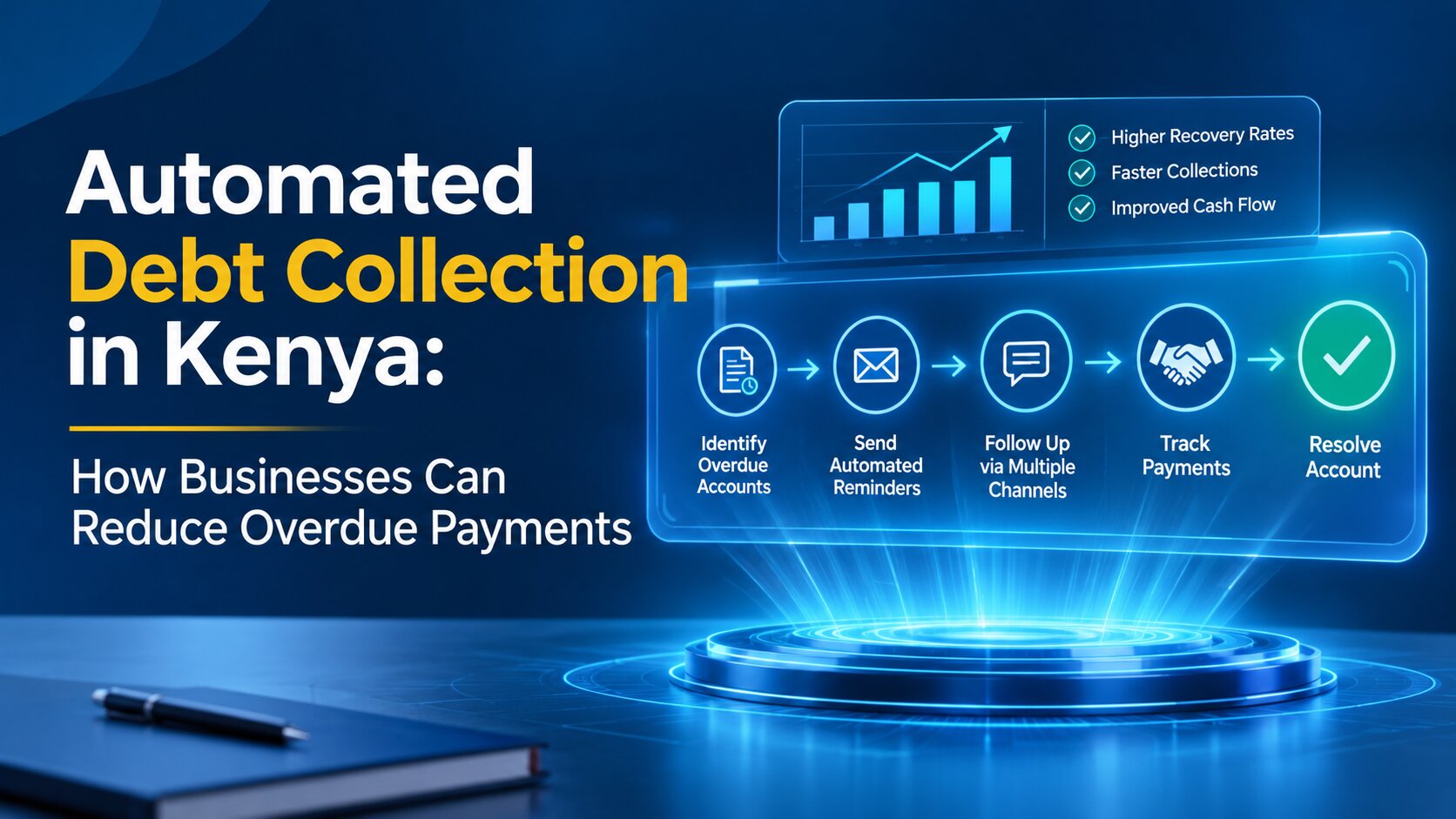
Delayed payments are a common challenge for businesses that provide products or services on credit. When customers fail to pay on time, businesses may struggle to maintain cash flow, meet financial commitments and plan their operations. The challenge becomes more difficult when finance teams or collection agents are responsible for managing hundreds or thousands of outstanding accounts. Tracking payment dates, sending reminders, updating balances and following up with customers manually can take considerable time, particularly when information is spread across spreadsheets, emails and separate systems.
For businesses in Kenya, managing overdue payments requires a consistent approach to customer communication and account monitoring. Banks, financial institutions, lending companies, collection agencies and businesses managing accounts receivable need clear processes to identify outstanding balances and follow up on missed payments. Automated debt collection workflows offer a way to organise these activities, reduce repetitive administrative work and maintain better visibility over recovery operations. By using suitable debt collection software, businesses can manage payment reminders, track recovery progress and coordinate collection activities through a more structured process.
Why Traditional Debt Collection Processes Lead to Payment Delays
Many businesses still depend on manual methods to manage overdue accounts. Collection agents may use spreadsheets to track payment dates, contact customers individually and update account records after receiving payments. While these methods may work for a small number of accounts, they become difficult to manage as the volume of outstanding payments increases. Without a centralised system, important follow-ups can be missed, account information may become outdated and managers may find it difficult to understand the overall recovery position.
One common challenge is inconsistent payment follow-ups. When reminders depend entirely on individual employees, customers may not receive timely communication about upcoming or missed payments. Collection teams may also struggle to prioritise accounts because they cannot easily identify which payments have been overdue for longer periods or which customers have previously missed their commitments.
Scattered customer information creates another problem. Payment histories, contact details, outstanding balances and communication records may be maintained in different files or applications. Employees then spend additional time locating information before contacting customers. This can lead to duplicated work, inaccurate updates and delays in resolving account queries.
Manual calculations can also affect collection operations. Finance teams may need to calculate interest, penalties and outstanding balances for different accounts. When these calculations are handled separately, the risk of errors increases, particularly when managing a large portfolio. In addition, managers may have limited visibility into collection agent activities, making it difficult to identify delays, review performance and determine which accounts require attention.
These challenges show why businesses need more organised debt collection processes as their operations grow. Rather than relying entirely on manual tracking, they can introduce automated workflows that help maintain consistent follow-ups and provide a clearer view of outstanding accounts.
What Is Automated Debt Collection and How Does It Work?
Automated debt collection refers to the use of software to manage repetitive activities involved in recovering overdue payments. These activities may include sending payment reminders, updating account information, tracking outstanding balances, managing payment arrangements and monitoring collection progress. Instead of requiring employees to handle every activity manually, businesses can configure workflows to perform specific tasks based on payment dates, account status and collection requirements.
For example, when a payment reaches its due date, the system can trigger a scheduled reminder to inform the customer about the outstanding amount. If the payment remains unpaid, another reminder or follow-up task can be initiated according to the business's collection policy. When a customer makes a payment or agrees to a payment arrangement, the relevant account information can be updated so that collection teams have a clearer picture of the current position.
The main difference between manual and automated debt collection is how these activities are organised and monitored. In a manual process, employees must remember when to follow up, update records and check account statuses individually. An automated process uses predefined rules and schedules to manage these activities more consistently. However, automation does not remove the need for human involvement. Collection agents still need to communicate with customers, understand individual circumstances and handle complex cases that require personal attention.
6 Ways Automated Debt Collection Workflows Help Reduce Overdue Payments
1. Automated Payment Reminders and Follow-Ups
Consistent communication plays an important role in managing overdue accounts. Customers may miss payment dates because of administrative delays, forgotten commitments or temporary financial difficulties. When collection teams depend on manual reminders, it can be difficult to contact every customer at the right time, especially when managing a large number of accounts.
Automated payment reminders help businesses maintain a more organised communication schedule. Depending on the configured workflow, the system can send reminders before payment due dates, notify customers when payments become overdue and schedule additional follow-ups when balances remain unpaid. Businesses can use communication channels such as SMS and email, while suitable platforms may also support WhatsApp and calls as part of their collection processes.
For Kenyan businesses managing customers across different locations, structured reminders can help maintain regular communication without requiring employees to prepare every message individually. Collection teams can then spend more time handling customer responses, discussing payment arrangements and addressing accounts that need additional attention.
2. Prioritising Overdue Accounts
Not every overdue account requires the same level of attention. Some customers may have missed a payment by a few days, while others may have several outstanding instalments or long-overdue balances. Treating every account in the same way can make collection operations less efficient.
Automated debt collection systems can help businesses organise accounts according to factors such as outstanding amounts, overdue periods, payment history and account status. Ageing analysis, which groups outstanding payments according to how long they have remained unpaid, helps collection managers understand where delays are concentrated. This makes it easier to identify accounts that require immediate follow-up and allocate collection resources accordingly.
For example, a collection manager can review accounts that have remained unpaid for 30, 60 or 90 days and determine which cases need additional attention. Collection agents can also be assigned specific accounts or tasks, helping managers coordinate activities across the team. Prioritising accounts in this way gives businesses better control over their recovery efforts.
3. Flexible Payment Plans and Settlement Tracking
Some customers may be unable to settle their entire outstanding balance in one payment. In such situations, businesses may agree to instalments or alternative payment arrangements based on their policies. However, managing these arrangements manually can create additional work for collection teams.
Debt collection software can help businesses record agreed payment plans, monitor instalment dates and track the remaining balances. When a customer makes a payment, the account can be updated to reflect the amount received and the outstanding amount. If an instalment is missed, the system can help identify the account for further follow-up.
This provides collection agents with a clearer record of customer commitments and payment progress. It also helps managers understand how many accounts are following agreed arrangements and which ones require further action. For lenders and collection agencies in Kenya, this can make the management of repayment arrangements more organised and easier to monitor.
4. Centralised Debtor Information
Collection agents need accurate information before contacting customers about overdue payments. This may include contact details, outstanding balances, payment history, previous communication and any agreed settlement arrangements. When these records are stored across different spreadsheets and applications, employees may spend unnecessary time searching for information.
A centralised debtor management system brings important account details into one place. Collection teams can access relevant customer records, review payment histories and understand previous follow-up activities without switching between multiple files. It also helps reduce duplicate records and makes it easier to maintain updated account information.
For businesses managing large customer portfolios, having organised debtor records improves coordination between employees and departments. When a collection agent takes responsibility for an account, the available information helps them understand its history and continue the recovery process without repeating earlier work.
5. Automated Interest and Penalty Calculations
Calculating outstanding balances can become complicated when accounts involve different payment terms, interest rates or applicable penalties. Finance teams may need to review individual agreements, calculate additional amounts and update records regularly. Handling these calculations manually across a large portfolio increases the possibility of errors.
Debt collection software with calculation capabilities can help businesses apply configured rules to interest, penalties and outstanding balances. Instead of calculating each account separately, the system can support more consistent calculations based on the relevant account information and business settings.
Accurate balance information is important for both collection teams and customers. It helps agents communicate the amounts due more clearly and gives managers better visibility into the total outstanding portfolio. Businesses should ensure that calculation rules reflect their contractual terms and applicable legal requirements before using them in recovery operations.
6. Collection Performance Monitoring
Managing a debt collection team involves more than tracking how much money has been recovered. Managers also need to understand how accounts are progressing, which agents are handling assigned cases and where collection activities are slowing down.
Automated reporting and dashboards can provide information about outstanding balances, recovery trends, account ageing and collection agent activities. Managers can review this information to identify accounts that need attention, assess workload distribution and understand which collection processes may require improvement.
For example, if a particular group of accounts has remained overdue despite repeated reminders, managers can review the communication history and decide whether a different approach is needed. Performance reports also help businesses assess collection operations over time rather than depending entirely on manual updates or individual employee reports.
How Kenyan Businesses Can Implement Automated Debt Collection Workflows
Introducing debt collection automation requires more than purchasing software. Businesses should first understand how their current collection processes operate and identify the activities that create the most delays. A structured implementation approach helps ensure that the selected system supports actual business requirements.
Review Existing Collection Processes
Start by examining how overdue accounts are currently managed. Identify how payment information is recorded, how reminders are sent, how collection agents receive assignments and how managers review recovery performance. This assessment helps businesses understand which activities can be automated and where manual intervention will still be necessary.
Define Payment Reminder Schedules
Businesses should establish clear reminder schedules based on their payment terms and collection policies. These may include notifications before a due date, reminders after a missed payment and additional follow-ups for accounts that remain unpaid. Communication frequency and content should be appropriate for the customer relationship and comply with applicable requirements.
Organise Debtor and Payment Records
Before moving collection activities into a new system, businesses should review the quality of their existing account information. Customer details, outstanding balances, payment histories and relevant account records should be organised to reduce duplicate or incomplete information. Accurate records help collection teams work with reliable account details from the beginning.
Establish Clear Collection Responsibilities
Automation works best when employees understand their responsibilities. Businesses should define who manages new overdue accounts, who follows up on missed commitments and who handles cases requiring escalation. Collection managers should also be able to review assigned accounts and monitor progress across the team.
Monitor Recovery Performance
After introducing automated workflows, businesses should regularly review collection reports and operational results. Useful measures include the amount recovered, the number of overdue accounts, payment commitments kept or missed, average recovery time and collection agent productivity. Reviewing these indicators helps managers understand whether the new processes are improving their operations and where further changes may be required.
What Should Businesses Look for in Debt Collection Software in Kenya?
Choosing suitable debt collection software is an important decision for businesses that want to improve their recovery operations. The right platform should support existing collection requirements while providing room for future growth. Rather than focusing only on the number of features available, businesses should consider how well the software fits their actual workflows.
Automated communication is one of the first capabilities to examine. The platform should support suitable payment reminder channels, such as SMS and email, and provide additional communication options where required. Businesses should also look for centralised debtor management so that employees can access payment histories, contact information and outstanding balances without relying on separate records.
Payment plan management and settlement tracking are equally important for organisations dealing with instalment-based repayments. The system should make it possible to record agreed arrangements, monitor payment dates and identify missed commitments. Billing and invoicing capabilities can also help finance teams manage outstanding amounts and maintain more organised payment records.
For businesses managing larger collection teams, reporting and agent performance tracking can provide valuable operational visibility. Integration options should also be considered, particularly when the organisation already uses accounting, finance or customer management systems. The ability to import information through suitable integrations or structured file uploads can make the transition easier.
Finally, data security and regulatory requirements should be part of the selection process. Debt collection systems handle sensitive customer and financial information, so businesses should examine access controls, data protection arrangements, reporting capabilities and audit records. They should also verify that their collection processes and software configuration meet the applicable Kenyan laws and regulatory obligations.
How Beveron's Smart Debt Collection Supports Automated Recovery in Kenya
Managing debt recovery across multiple accounts requires a system that can bring customer information, payment activities and collection workflows together. Beveron Technologies offers Smart Debt Collection, a debt collection management solution designed for collection agencies, financial institutions, lenders and businesses managing overdue accounts in Kenya.
The platform supports automated recovery workflows, helping businesses organise payment follow-ups and account activities through a centralised system. Its communication capabilities include SMS, WhatsApp and calls, allowing collection teams to manage customer interactions through multiple channels. Businesses can configure notification schedules and use automated reminders to maintain more consistent communication with customers.
Smart Debt Collection also supports centralised debtor information management, flexible payment plans and automated calculations for interest, penalties and outstanding balances. These capabilities help collection teams maintain organised account records and monitor repayment commitments. The platform also includes billing and invoicing management, court judgment and recovery tracking, and litigation-related case management capabilities.
For managers, business intelligence reporting and collection agent performance tracking provide visibility into account progress and team activities. Data can also be brought into the system through API-driven imports and Excel file imports, with integration options for enterprise systems such as ERP and CRM platforms.
By bringing these activities together, Smart Debt Collection helps Kenyan organisations reduce dependence on scattered spreadsheets and manual tracking. Collection teams can manage debtor information, monitor payment commitments and coordinate recovery activities through a more structured working environment. The aim is to support better operational control while allowing employees to focus on customer communication and accounts that require individual attention.
Businesses looking to improve their recovery operations can explore Beveron's Smart Debt Collection software for Kenya to understand its features and suitability for their collection requirements.
Conclusion: Making Debt Recovery More Consistent Through Automation
Reducing overdue payments requires more than sending occasional reminders. Businesses need reliable account information, consistent customer communication and clear processes for managing payment commitments. When these activities depend entirely on manual work, collection teams may struggle to keep up as account volumes increase. Automated debt collection workflows provide a way to organise repetitive tasks, monitor outstanding balances and maintain better visibility across recovery operations.
For Kenyan businesses, selecting the right debt collection software should involve understanding existing challenges, identifying the processes that need improvement and evaluating the features that support their collection requirements. Automation can help reduce administrative work and improve coordination, but effective recovery still depends on appropriate collection strategies, accurate records and responsible customer communication.
Beveron's Smart Debt Collection brings together recovery workflow automation, payment reminders, debtor management, billing and performance reporting to support organised debt collection operations. For organisations looking to move beyond manual tracking and improve control over overdue accounts, adopting a structured digital approach can be a valuable step towards more consistent debt recovery.
Frequently Asked Questions
1. What is automated debt collection?
Automated debt collection is the use of software to manage repetitive recovery activities, including payment reminders, overdue account tracking, payment plan monitoring and collection reporting. It helps businesses organise follow-ups and maintain updated account information while allowing collection agents to handle activities that require personal attention.
2. How does debt collection automation reduce overdue payments?
Debt collection automation helps businesses send timely payment reminders, identify overdue accounts, track repayment commitments and prioritise collection activities. These processes reduce the chances of missed follow-ups and help collection teams respond more consistently when payments are delayed.
3. What are the benefits of debt collection software in Kenya?
Debt collection software can help Kenyan businesses centralise debtor information, automate payment reminders, manage repayment plans, track outstanding balances and monitor collection agent performance. It can also reduce repetitive administrative work and provide managers with better visibility into recovery operations.
4. Can automated debt collection software send SMS and WhatsApp reminders?
Yes, debt collection platforms with multi-channel communication capabilities can support payment reminders through SMS and WhatsApp, depending on their available integrations and configuration. Beveron's Smart Debt Collection supports SMS, WhatsApp and call-based communication to help collection teams manage customer follow-ups.
5. How can businesses track overdue accounts and payment commitments?
Businesses can use debt collection software to maintain account records, monitor outstanding balances, review payment histories and track agreed instalments. Account ageing reports and collection dashboards can also help managers identify long-overdue accounts and monitor repayment progress.
6. What features should businesses look for in debt recovery software?
Important features include automated payment reminders, centralised debtor management, payment plan tracking, billing and invoicing, interest and penalty calculations, collection agent monitoring, reporting and integration with existing financial systems. Data security and regulatory requirements should also be considered when selecting a platform.
7. Is automated debt collection suitable for small collection agencies in Kenya?
Yes. Small collection agencies can use automation to organise debtor information, schedule payment reminders and track recovery activities without relying entirely on spreadsheets and manual follow-ups. The selected software should match the agency's current account volume, team size and operational requirements.
Best automated debt collection in Kenya
Best debt collection workflow automation in Kenya
Best overdue payment management in Kenya
If you need a free demo of the best automated debt collection in Kenya, please fill out the form