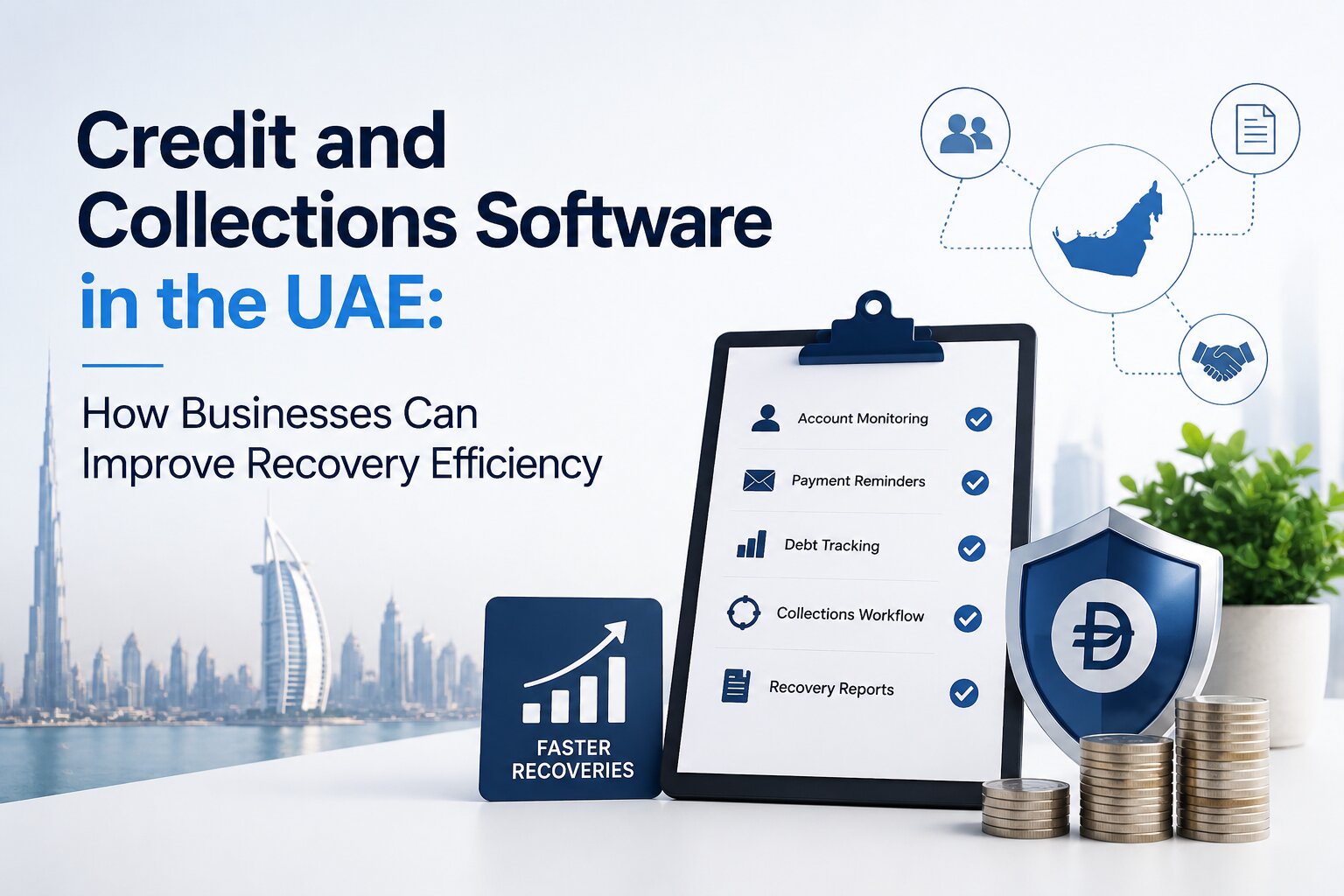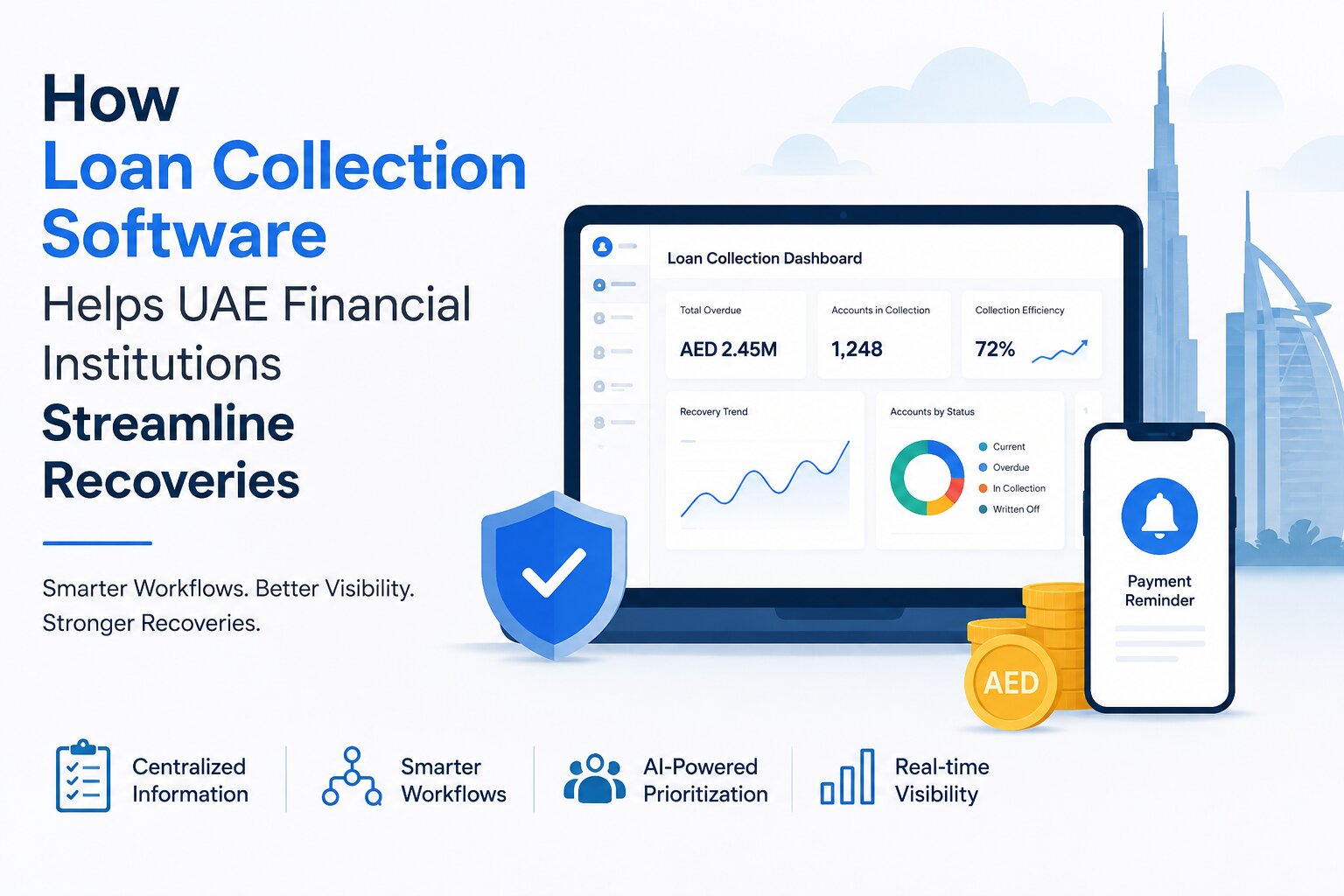
Debt Collection Software in UAE: Complete Guide for Modern Businesses

Debt Collection Software in UAE: Complete Guide for Banks, Financial Institutions & Collection Agencies
Managing overdue accounts has become increasingly complex for organisations across the UAE. Financial institutions are handling larger lending portfolios, telecom providers are managing high customer volumes, and enterprises are under constant pressure to improve cash flow while maintaining positive customer relationships.
Traditional collection methods that rely on spreadsheets, emails and manual follow-ups often lead to delayed recoveries, inconsistent communication and limited visibility into collection performance. At the same time, organisations must ensure that their recovery processes remain efficient, transparent and aligned with applicable regulatory and internal governance requirements.
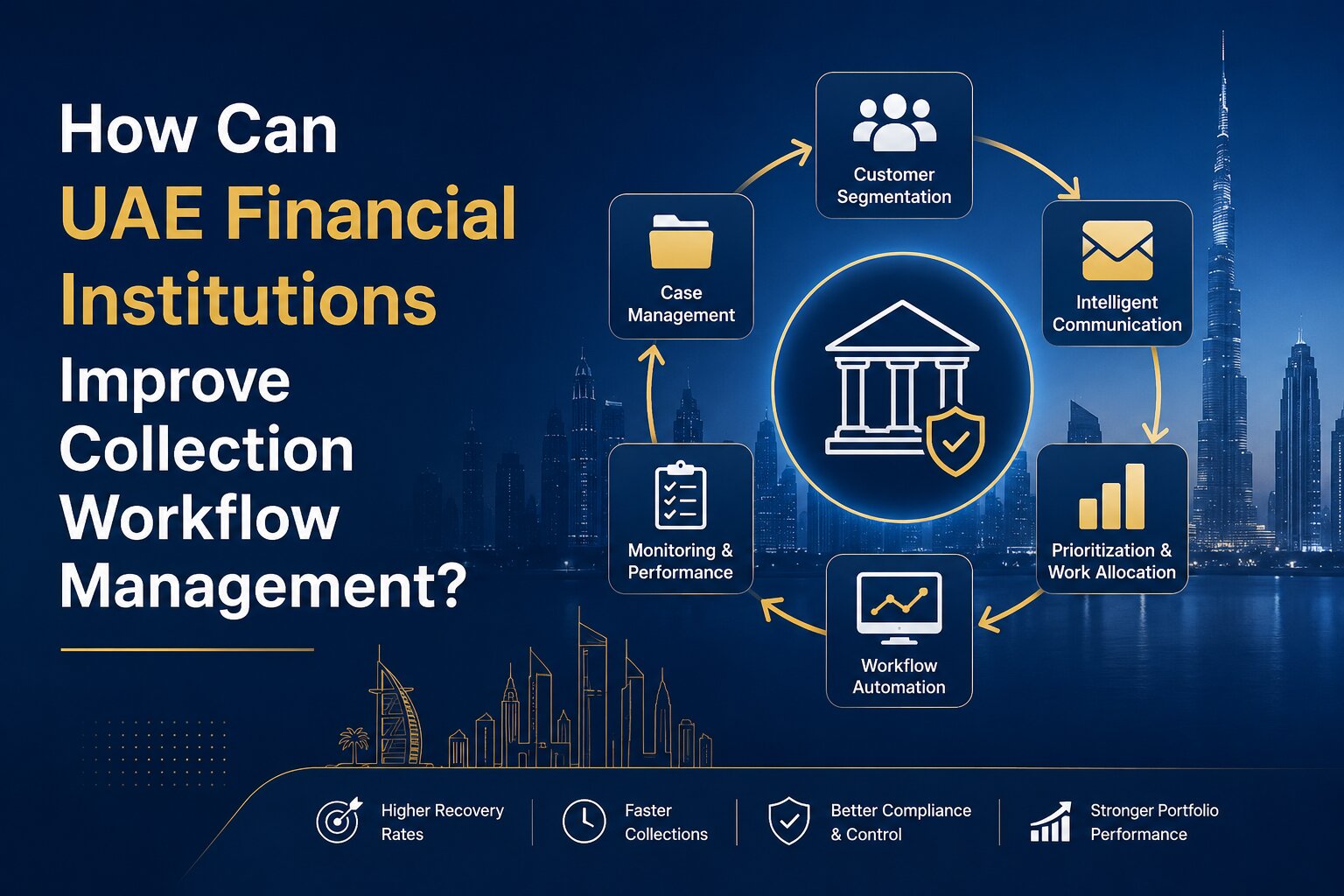
This is where debt collection software in UAE is transforming the way organisations approach debt recovery. Modern cloud-based platforms enable collection teams to automate routine tasks, prioritise accounts intelligently, monitor recovery performance in real time and deliver a more consistent customer experience.
Whether you are a bank, finance company, collection agency, telecom provider or healthcare organisation, investing in the right technology can help reduce operational costs, improve collector productivity and accelerate payment recovery.
In this guide, you'll learn how debt collection software works, the features that matter most, how artificial intelligence is reshaping collections and what to consider when selecting a solution for your organisation.
Debt collection software in UAE is a cloud-based platform that helps organisations automate debt recovery through workflow automation, payment tracking, customer communication, analytics and reporting. It enables collection teams to improve recovery rates, reduce manual work and gain greater visibility across the entire collections process.
What Is Debt Collection Software?
Debt collection software is a digital platform designed to help organisations manage the complete debt recovery lifecycle, from the first payment reminder through to resolution. Rather than relying on multiple disconnected systems, collection teams can manage cases, assign work, communicate with customers and monitor performance from a single platform.
Modern cloud-based solutions go beyond basic account tracking. They combine workflow automation, intelligent task management and analytics to help organisations recover outstanding payments more efficiently while maintaining a structured and consistent approach.
Typical capabilities include:
- Managing customer and account information
- Automating collection workflows
- Tracking payment commitments
- Scheduling reminders and follow-ups
- Monitoring collector performance
- Producing real-time reports and dashboards
- Integrating with banking, ERP and CRM systems
For organisations operating in competitive markets like the UAE, these capabilities can significantly improve operational efficiency while supporting sustainable business growth.
How Does Debt Collection Software Work?
Most cloud-based debt collection platforms follow a structured workflow.
Outstanding accounts are imported from core banking, ERP or finance systems. Based on predefined business rules, accounts are automatically assigned to collectors, prioritised according to risk or overdue status and scheduled for follow-up activities. Throughout the collection process, every interaction, payment update and action is recorded in a centralised system, providing complete visibility for both operational teams and management.
Instead of spending valuable time on repetitive administrative work, collection professionals can focus on engaging with customers and resolving accounts more effectively.
Why Cloud-Based Solutions Are Becoming the Preferred Choice
Many organisations in the UAE are replacing legacy collection systems with cloud-based platforms because they offer greater flexibility, scalability and accessibility. Cloud deployment allows authorised users to securely access information from multiple locations, simplifies software updates and reduces the need for costly on-premises infrastructure.
As organisations continue their digital transformation journeys, cloud technology also makes it easier to integrate collection software with other business applications, creating a connected and efficient operational environment.
Why UAE Organisations Are Modernising Debt Collection
The UAE's financial sector continues to evolve rapidly, driven by digital transformation, customer expectations and increasing operational demands.
Organisations are no longer looking for software that simply records collection activities. They need intelligent platforms that improve productivity, enhance decision-making and provide complete visibility into recovery performance.
Growing Collection Challenges
As lending volumes, customer bases and business transactions increase, collection teams are managing larger portfolios than ever before. Without automation, collectors often spend significant time manually assigning cases, updating spreadsheets, preparing reports and tracking follow-up activities. These repetitive tasks reduce productivity and increase the likelihood of missed opportunities.
Modern debt collection software helps eliminate these inefficiencies by automating routine processes and ensuring work is prioritised effectively.
Rising Customer Expectations
Today's customers expect timely, convenient and professional communication across multiple channels. Collection strategies have evolved beyond traditional phone calls. Organisations increasingly rely on email, SMS and digital communication to engage customers, send reminders and support payment commitments.
A modern collection platform helps ensure communication remains consistent, traceable and aligned with organisational policies.
Digital Transformation Across Financial Services
Banks and financial institutions across the UAE continue to invest heavily in digital technologies that improve operational efficiency and customer service. Debt collection is becoming an important part of this transformation. By replacing manual recovery processes with automated workflows and intelligent reporting, organisations can make faster decisions while improving visibility across the entire collection lifecycle.
Technology also enables management teams to identify bottlenecks, monitor performance and optimise recovery strategies using real-time insights rather than historical reports.
Improving Operational Efficiency
Every manual task adds cost to the collections process. Automating activities such as case allocation, payment reminders, escalation workflows and reporting allows collection teams to focus on high-value recovery activities.
The result is improved productivity, faster collections and better utilisation of internal resources.
The impact of automation extends beyond operational efficiency. Organisations implementing automated collection processes often achieve measurable improvements in recovery performance. Our article, Debt Collection Data Dive: How Automation Recovers 22% More in 90 Days, explores how automation can accelerate recoveries, improve collector productivity and deliver stronger business outcomes through data-driven collection strategies.
Key Features to Look for in Debt Collection Software in the UAE
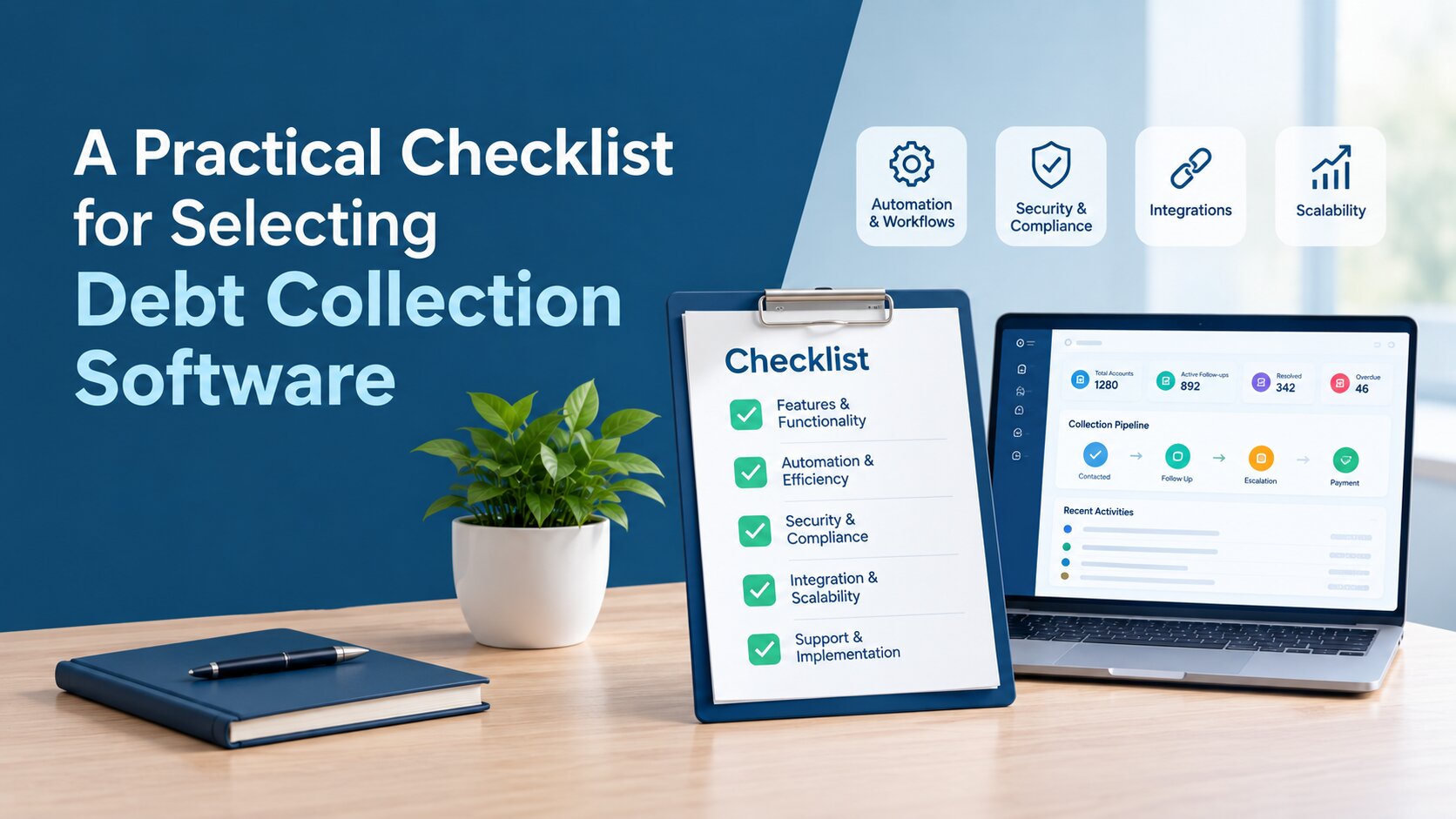
Choosing the right platform requires more than comparing feature lists. Organisations should look for software that supports their operational goals today while remaining scalable for future growth.
Automated Workflow Management
Workflow automation is one of the most valuable capabilities of modern debt collection software. Instead of manually assigning cases and tracking overdue accounts, organisations can automate routine activities based on configurable business rules.
Examples include:
- Automatic case assignment
- Escalation workflows
- Payment reminder schedules
- Follow-up activities
- Collector task management
Automation reduces delays and creates a more structured recovery process. If your organisation is still relying on spreadsheets or manual follow-ups, understanding the transition to automation is an excellent first step. Our guide, Debt Collection Automation Basics: From Manual to AI-Powered in 5 Steps, explains how organisations can progressively modernise their collection processes and improve operational efficiency.
Multi-Channel Customer Communication
Successful collections depend on timely communication. A modern platform should support multiple communication channels, allowing organisations to engage customers through email, SMS and other digital channels while maintaining a complete record of every interaction.
This creates a consistent customer experience and helps collectors manage conversations more efficiently.
Payment Tracking and Promise-to-Pay Management
Tracking payment commitments manually becomes increasingly difficult as account volumes grow. Debt collection software provides a centralised view of payment promises, due dates and outstanding balances, enabling collectors to prioritise follow-ups and reduce missed commitments.
AI-Assisted Prioritisation
Artificial intelligence is helping organisations focus their efforts where they are most likely to achieve successful outcomes. Instead of treating every account equally, AI can analyse historical payment behaviour, account characteristics and collection patterns to identify which cases require immediate attention. This enables collection teams to allocate resources more effectively and improve recovery performance.
Collection Analytics and Performance Dashboards
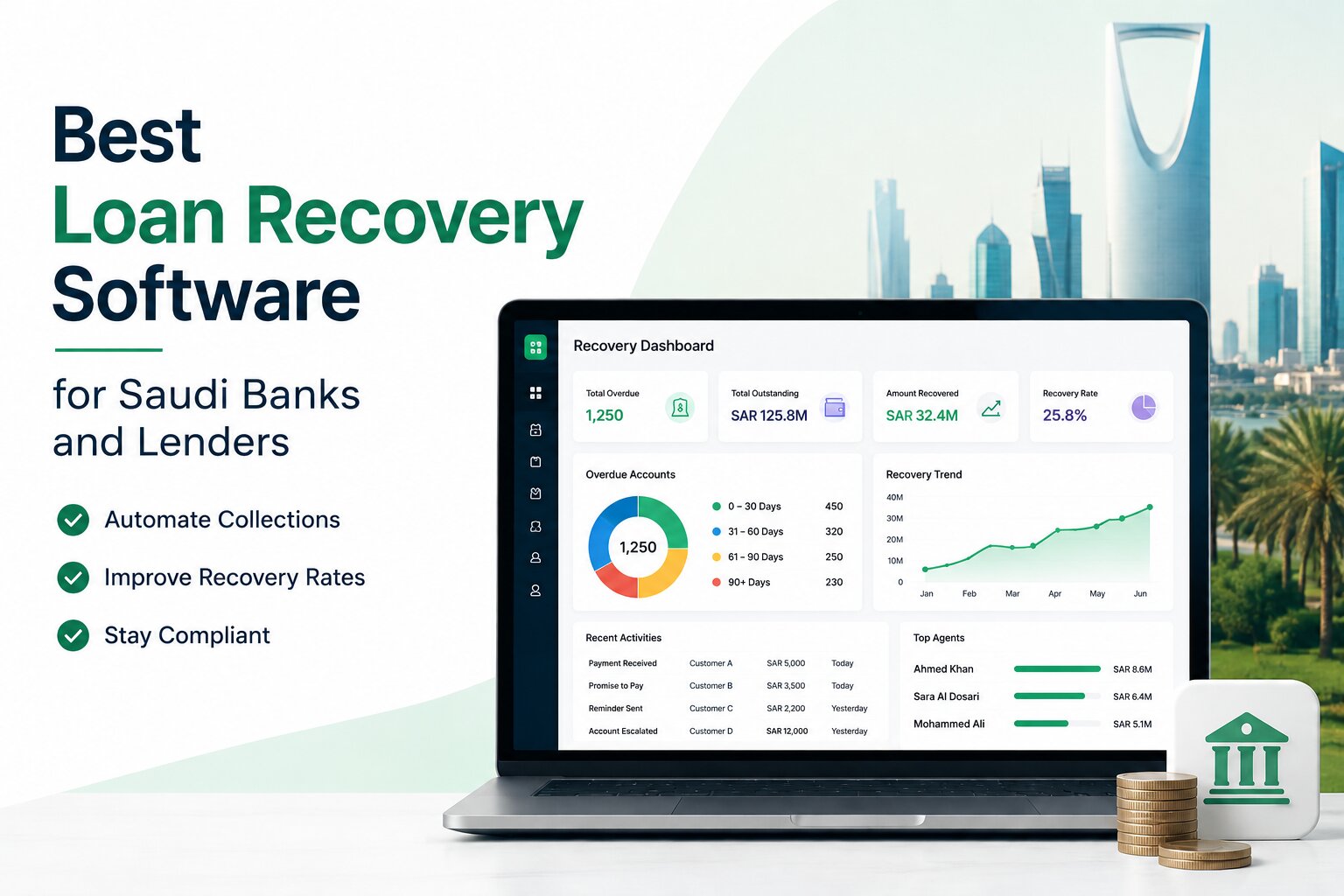
Access to accurate data is essential for making informed collection decisions. Modern debt collection software provides real-time dashboards that give managers a clear view of collection performance across teams, portfolios and individual collectors.
Key metrics typically include:
- Recovery rates
- Outstanding balances
- Promise-to-pay fulfilment
- Collector productivity
- Ageing analysis
- Portfolio performance
With these insights, organisations can identify trends, optimise collection strategies and make data-driven decisions that improve recovery outcomes.
Document Management
Collection teams often work with loan agreements, invoices, customer correspondence and supporting documents. A centralised document management capability ensures that all relevant information is securely stored and easily accessible. Having documents linked to each account reduces administrative effort, improves collaboration and enables faster resolution of customer queries.
Compliance and Audit Trails
For banks, financial institutions and regulated businesses, transparency is just as important as efficiency. A robust debt collection platform should maintain a complete audit trail of every action taken throughout the recovery process. This includes communication history, payment updates, workflow changes and collector activities.
Comprehensive audit records support internal governance, improve accountability and simplify reporting for audits and compliance reviews.
Integration with Banking, ERP and CRM Systems
Debt collection software should not operate in isolation. The most effective platforms integrate seamlessly with existing banking systems, enterprise resource planning (ERP) solutions, customer relationship management (CRM) platforms and payment gateways.
Integration enables organisations to:
- Eliminate duplicate data entry
- Synchronise customer information
- Improve reporting accuracy
- Streamline payment reconciliation
- Create a connected operational ecosystem
Secure Cloud Deployment
Security remains a key consideration when selecting any enterprise software.
Cloud-based debt collection platforms offer secure access, controlled user permissions, encrypted data transmission and regular system updates. These capabilities help organisations protect sensitive customer information while benefiting from the flexibility and scalability of cloud technology.
Benefits for Different Industries
Although the objectives of debt recovery are similar across sectors, each industry has unique operational requirements. A configurable debt collection platform allows organisations to adapt workflows to their specific business processes.
Banks
Banks manage large and diverse lending portfolios, making efficient collections essential for maintaining healthy cash flow and reducing delinquency.
Debt collection software helps banks automate account allocation, prioritise high-risk cases, monitor collector performance and improve visibility across the recovery lifecycle.
Financial Institutions
Finance companies often deal with multiple lending products and customer segments. Automated workflows, configurable business rules and real-time reporting help collection teams respond more quickly while maintaining consistent processes across portfolios.
Collection Agencies
Collection agencies require software that supports multiple clients, flexible workflows and detailed reporting.
A centralised platform enables agencies to manage cases efficiently, monitor collector productivity and deliver transparent reporting to clients.
Telecom Providers
Telecom companies process high volumes of customer accounts every day.
Automated reminders, payment tracking and digital communication tools help reduce overdue balances while improving the customer experience.
Utilities
Utility providers need efficient processes for managing recurring payments and overdue accounts.
Debt collection software supports timely follow-ups, payment monitoring and structured recovery activities that help improve cash flow.
Healthcare Organisations
Healthcare providers often manage outstanding patient payments while striving to maintain positive patient relationships. Digital collection workflows allow finance teams to automate reminders, monitor payment plans and improve operational efficiency without compromising customer service.
Debt collection software is not only beneficial for large enterprises. Small and medium-sized businesses across the UAE also face challenges such as delayed payments, limited collection resources and maintaining healthy cash flow. If you're looking for practical advice tailored to SMEs, read our guide, Debt Collection Software for Small Businesses in UAE: A Quick Guide to Faster Payment Recovery, which explains how automation can simplify collections and accelerate payments.
How AI Is Transforming Debt Collection in the UAE
Artificial intelligence is changing the way organisations approach debt recovery. Rather than replacing collection professionals, AI enhances decision-making by analysing large volumes of data and identifying patterns that would be difficult to detect manually. To learn more about how artificial intelligence is reshaping collections, predictive analytics and customer engagement, read our detailed guide, The Future of AI-Powered Debt Collection: Smarter, Faster Recovery, which explores the technologies driving the next generation of debt recovery platforms.
Some of the most valuable AI capabilities include:
Predictive Analytics
AI analyses historical payment behaviour and customer data to identify accounts that are more likely to pay, allowing teams to prioritise their efforts more effectively.
Intelligent Case Prioritisation
Instead of working through accounts sequentially, collectors can focus on cases with the highest probability of successful recovery.
Automated Customer Engagement
AI-powered workflows can trigger personalised reminders, follow-up schedules and payment notifications based on predefined rules and customer behaviour.
Performance Reporting
AI can identify trends in collector performance, portfolio health and recovery outcomes, helping managers continuously improve collection strategies.
Risk-Based Collections
By segmenting accounts according to risk, organisations can apply different collection approaches that maximise efficiency while improving resource allocation.
Choosing the Right Debt Collection Software
Selecting the right platform is a strategic decision that should support both current operational needs and future growth. If your organisation is evaluating different vendors, it's important to understand the capabilities that distinguish a modern platform from a basic collection system. Our guide, How to Choose the Best AI-Based Debt Collection Software, outlines the essential features, evaluation criteria and questions to ask before investing.
When evaluating solutions, consider the following factors:
Scalability
Choose software that can grow with your organisation, supporting increased account volumes, additional users and evolving business requirements.
Security
Look for enterprise-grade security features, role-based access controls and secure cloud infrastructure to protect sensitive financial information.
Integration Capabilities
Ensure the solution integrates with your existing banking, ERP, CRM and payment systems to reduce manual work and improve operational efficiency.
Ease of Implementation
A configurable platform with intuitive workflows enables faster adoption and reduces the time required to realise business value.
Vendor Experience
Consider providers with proven expertise in enterprise automation and financial technology, particularly those that understand the operational needs of collection teams.
Ongoing Support
Reliable implementation, training and technical support are essential for long-term success.
Why Organisations Choose Beveron's Smart Debt Collection
Modern organisations need more than a system for recording collection activities. They need a platform that supports intelligent decision-making, automation and continuous operational improvement. Beveron's Smart Debt Collection is a cloud-based debt collection solution designed to help banks, financial institutions, collection agencies, telecom providers, utilities, healthcare organisations and enterprises modernise their recovery operations.
Key capabilities include:
- Automated collection workflows
- AI-assisted case prioritisation
- Configurable business rules
- Multi-channel customer communication
- Real-time dashboards and analytics
- Centralised document management
- Comprehensive audit trails
- Integration with enterprise systems
- Secure cloud deployment
- Scalable architecture for growing organisations
By bringing together automation, analytics and intelligent workflow management, Beveron's Smart Debt Collection helps organisations improve operational efficiency while giving collection teams greater visibility and control over the recovery process.
Manual Collection Process | Cloud-Based Debt Collection Software |
|---|---|
Spreadsheet-driven tracking | Centralised digital platform |
Manual case assignment | Automated workflow allocation |
Limited reporting | Real-time dashboards and analytics |
Disconnected communication | Multi-channel engagement |
Time-consuming follow-ups | Automated reminders and scheduling |
Limited visibility | End-to-end operational insights |
Difficult scalability | Easily scales with business growth |
Frequently Asked Questions
What is debt collection software in UAE?
Debt collection software helps organisations automate payment recovery, manage collection workflows, monitor performance and improve recovery rates through a centralised digital platform.
Who can benefit from debt collection software?
Banks, financial institutions, collection agencies, telecom providers, utilities, healthcare organisations and enterprises that manage outstanding receivables can all benefit from automated debt collection.
Is cloud-based debt collection software secure?
Yes. Enterprise cloud platforms typically include encryption, role-based access controls, audit trails and secure infrastructure to protect sensitive financial information.
Can debt collection software integrate with existing systems?
Most modern platforms integrate with banking systems, ERP solutions, CRM platforms and payment gateways to streamline operations and improve data accuracy.
How does AI improve debt recovery?
AI helps prioritise accounts, automate routine tasks, identify payment patterns and provide actionable insights that improve collection efficiency.
What features should organisations look for?
Key features include workflow automation, analytics, payment tracking, document management, integration capabilities, compliance support and cloud deployment.
Is debt collection software suitable for collection agencies?
Yes. Collection agencies can use configurable workflows, client-specific reporting and automated case management to improve operational efficiency.
How does debt collection software improve recovery rates?
By automating repetitive tasks, improving visibility, prioritising high-value accounts and enabling consistent customer communication, organisations can recover outstanding payments more effectively.
Conclusion
As organisations across the UAE continue to embrace digital transformation, debt collection is becoming a strategic function that benefits significantly from automation, analytics and intelligent workflows.
Cloud-based debt collection software enables banks, financial institutions, collection agencies and enterprises to improve recovery performance, enhance operational efficiency and gain greater visibility across the collections lifecycle.
When evaluating solutions, organisations should look beyond basic functionality and choose a platform that is secure, scalable and capable of adapting to future business needs.
Beveron's Smart Debt Collection combines workflow automation, AI-enabled capabilities and real-time insights to help organisations modernise debt recovery while supporting efficient and consistent collection operations.
Request a Beveron's Smart Debt Collection Demo
Discover how Beveron's Smart Debt Collection can help your organisation automate collections, improve recovery rates and gain complete visibility into your debt recovery process.
Request a personalised demo to explore how the platform can support your business goals.
Best debt collection software for banks in the UAE
Best cloud-based debt collection software for financial teams in the UAE
Best debt recovery software for collection agencies in the UAE
If you need a free demo of the best debt collection software for banks in the UAE, please fill out the form below.