Why Investing in Loan Collection Software Became the Turning Point for a Mid-Sized Singapore Credit Firm

For mid-sized credit firms in Southeast Asia, growth is rarely the hard part. Keeping operations clean, compliant, and efficient as that growth compounds — that's where things get difficult.
Singapore's financial sector is among the most regulated in the region. Lenders face constant pressure to manage expanding loan portfolios while keeping compliance airtight, recovery rates strong, and costs under control. For one mid-sized credit firm in Singapore, those pressures had been building for years. The decision to overhaul their debt recovery function didn't just solve a process problem — it changed how the entire organisation operates.
This is the story of how a deliberate investment in Smart Debt Collection became far more than a technology upgrade. It was a turning point.
From Spreadsheets to Scale: Meet the Firm Behind the Transformation
The firm is a mid-sized consumer and SME credit company headquartered in Singapore. Its portfolio spans personal loans, trade credit, and business financing — managed by a team of over 120 staff across collections, legal, compliance, and customer relations.
The organisation had grown steadily over a decade. But its internal processes hadn't kept pace with that growth.
The collections department handled hundreds of active accounts at any given time. The team ran across three tiers: field agents, desk-based recovery officers, and a legal escalation unit. Each tier had its own workflows, documentation systems, and reporting cadences. And for the most part, none of them talked to each other.
Compliance obligations under Singapore's debt collection guidelines and MAS-aligned credit regulations added another layer of complexity. Every escalation needed documented justification. Every borrower communication had to be logged accurately. Leadership understood the situation clearly — manual processes that were once manageable had become a liability.
When Growth Exposes the Cracks: The Operational Challenges Slowing Recovery
A Patchwork of Tools That Wasn't Built for Debt Recovery
Before implementing dedicated loan collection software, the firm was running on spreadsheets, email chains, and legacy CRM modules. None of those tools were designed for structured debt recovery. Case updates had to be manually entered across multiple systems, often by different people. When an account escalated from soft collections to legal action, the handover meant printing documents and physically walking them to another team.
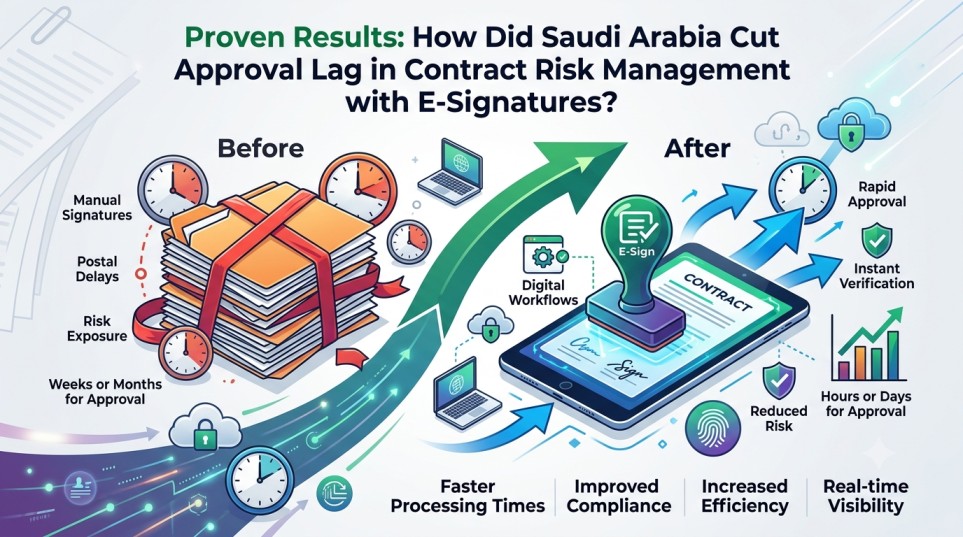
Approval workflows were especially painful. A straightforward decision — approving a repayment restructure, for example — could sit in someone's inbox for days. There was no automated reminder, no clear ownership, and no urgency built into the process.
A Compliance Function Running on Manual Effort
The compliance team had a clear mandate but limited tools to meet it. Producing accurate reports on borrower contact frequency, escalation timelines, and case resolution rates required hours of manual data consolidation before every regulatory review. There was no centralised audit trail. That gap created real exposure during external audits.
Communication logs between agents and borrowers were inconsistently maintained. When a case was disputed, reconstructing the interaction history was slow and sometimes incomplete. That wasn't just inconvenient — it was a material compliance risk the firm could no longer afford to carry.
Leadership Flying Blind on Portfolio Performance
Senior management had very little real-time visibility into how the portfolio was actually performing. Monthly reports were backward-looking by design, and often out of date before anyone reviewed them. There was no easy way to spot which accounts needed immediate attention, which agents were falling behind, or where recovery revenue was quietly slipping.
Data silos between collections, legal, and finance meant the right people rarely had the right information at the right time. Decisions were being made on incomplete data — and that problem was only getting worse as the portfolio grew.
The Strategic Shift: How Smart Debt Collection Rewired the Operation
Following a structured evaluation, the firm selected Smart Debt Collection as its core platform for end-to-end loan recovery management. The rollout was phased over twelve weeks, with each department integrated in sequence to avoid disrupting live operations.
One Platform. Every Case. No More Silos.
Smart Debt Collection replaced the disconnected toolset with a single, centralised case management environment. Every active account was migrated into the platform. Full case histories, contact records, and document attachments were consolidated in one place — available to every authorised team member in real time.
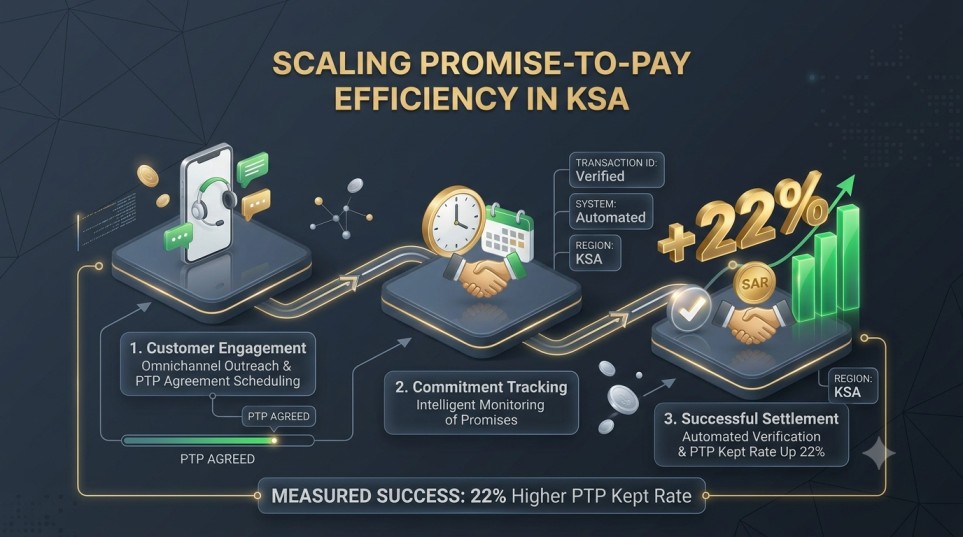
Workflow automation changed how cases moved through the recovery pipeline. Predefined escalation rules automatically flagged and routed accounts that met specific criteria: missed payments, failed contact attempts, breached restructuring terms. Handoffs no longer depended on someone remembering to act. Escalations happened on schedule, every time.
Compliance Built Into Every Step of the Process
For the compliance team, the introduction of structured approval workflows was the single biggest operational shift. Every decision — from approving a payment plan to initiating legal proceedings — required documented authorisation inside the platform. Approvals that once took days were now completed within hours, with automated reminders ensuring nothing went stale.
The platform built a complete, timestamped audit trail for every case automatically. During the firm's next regulatory review, retrieving any case history, communication log, or approval record took minutes — not the hours it once required.
Real-Time Intelligence for Faster, Smarter Decisions
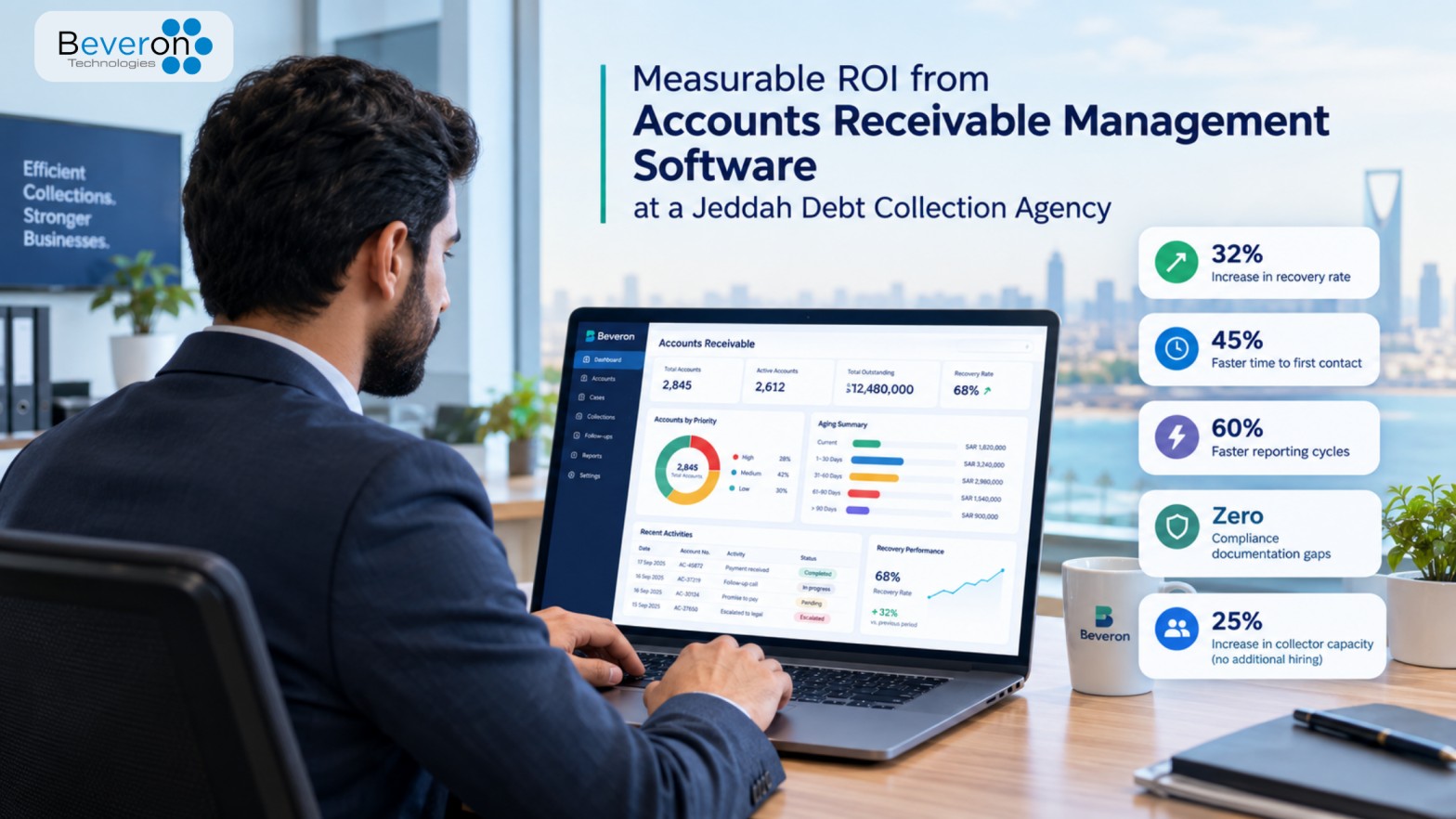
Smart Debt Collection's reporting module gave leadership something they hadn't had in years: an accurate, live view of how the business was performing. Interactive dashboards displayed recovery rates, agent activity, case ageing, and escalation pipeline status without waiting for a monthly reporting cycle.
The legal team gained a dedicated workflow view covering outstanding documentation, court dates, and case milestones. Administrative burden dropped significantly. Legal staff could focus on case strategy — the work that actually required their expertise.
The Numbers Don't Lie: Measurable Results Across the Business
Recovery Cycles Cut by 40%
Within six months of deployment, the average time from initial delinquency flag to first formal contact dropped by around 40%. Automated routing meant accounts were actioned faster and the window in which recoverable debt could deteriorate was materially reduced.
30% Less Time Lost to Admin
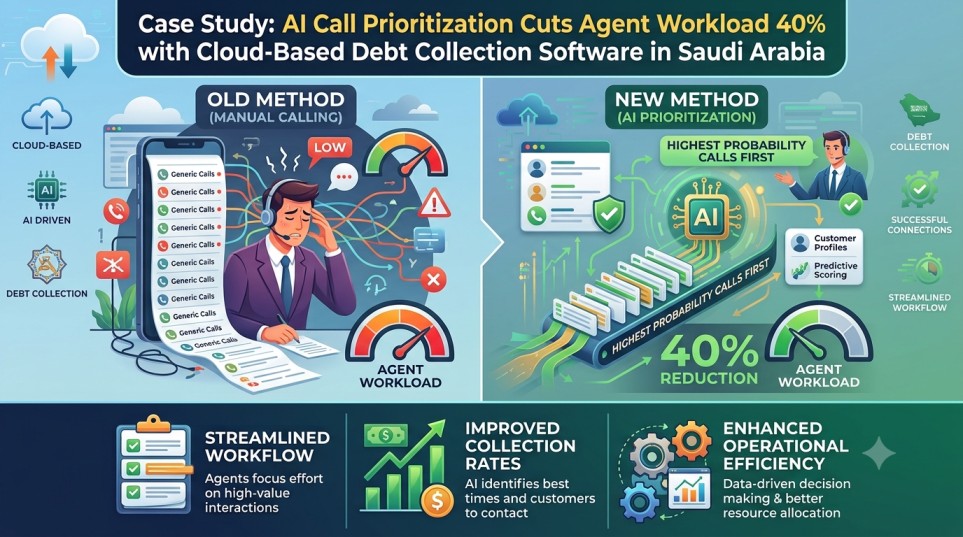
Collections staff reported an estimated 30% reduction in time spent on non-productive administrative tasks — manual data entry, case updates, cross-system reconciliation. That time went back into managing accounts. More cases handled per agent, without adding headcount.
A Clean Compliance Record at the Next Regulatory Review
Full audit trails, structured communication logs, and documented approval chains put the firm in a demonstrably stronger position going into its next annual review. Zero compliance findings were raised against the collections function that cycle. For a team that had struggled with audit preparation in previous years, that result was significant.
Seamless Collaboration Across Collections, Legal, and Finance
With all departments on a shared platform, the friction that had long existed between teams was reduced considerably. Legal received better-prepared case files with documentation already attached. Finance had cleaner recovery forecasts built from live pipeline data. Information that once required a meeting to consolidate was now available on demand.
Sharper Strategic Oversight at Leadership Level
Management reported higher confidence in strategic decisions, backed by real-time data rather than lagging reports. The ability to spot at-risk accounts earlier and reallocate resources proactively contributed to a measurable improvement in overall collection rates — an outcome the firm's leadership attributed directly to better information and faster execution.
What This Transformation Really Proved
Investing in the right loan collection software isn't purely a technology decision. It's a business transformation decision. For this Singapore credit firm, Smart Debt Collection resolved years of compounding inefficiencies through one well-executed deployment.
The results speak clearly:
- Recovery cycles accelerated, strengthening cash flow and improving collection predictability
- Compliance risk dropped through systematic audit trails and structured approval records
- Staff productivity improved without any increase in headcount
- Leadership gained the clarity to make faster, more confident decisions
- Collaboration strengthened permanently as data silos were eliminated
Most importantly, the firm now has a foundation that scales. As its portfolio grows, the infrastructure to manage it efficiently — and compliantly — is already in place.
The Cost of Waiting Is Higher Than You Think
Singapore's credit sector doesn't reward hesitation. Regulatory expectations are high. Borrower relationships require careful management. And the cost of operational inefficiency compounds fast.
For firms still running on manual processes and disconnected tools, the business case for modern loan collection software isn't something to revisit next quarter. It's pressing now.
Smart Debt Collection gave this firm the tools to recover faster, stay audit-ready, and perform at a level that manual processes simply could not sustain. The right platform, deployed with intent, genuinely transforms a collections function. This case proves it.
Ready to Modernise Your Debt Recovery Operation?
If your collections team is still managing cases manually, chasing approvals over email, or struggling to produce clean audit trails for regulators — you're not just inefficient. You're leaving recoverable revenue on the table every single day.
Smart Debt Collection is built for credit firms that are serious about operational performance. Whether you're managing a growing SME loan portfolio, navigating regulatory complexity, or ready to replace tools that were never designed for structured debt recovery — the platform is ready when you are.
Book a Personalised Demo — See exactly how Smart Debt Collection maps to your workflows, compliance requirements, and recovery goals. No generic pitch. No pressure. Just a focused conversation about what better looks like for your business.
Best loan collection software in Singapore
Best debt recovery management software in Singapore
Best credit collection software in Singapore
If you need a free demo on the best loan collection software in Singapore, please fill out the form below.