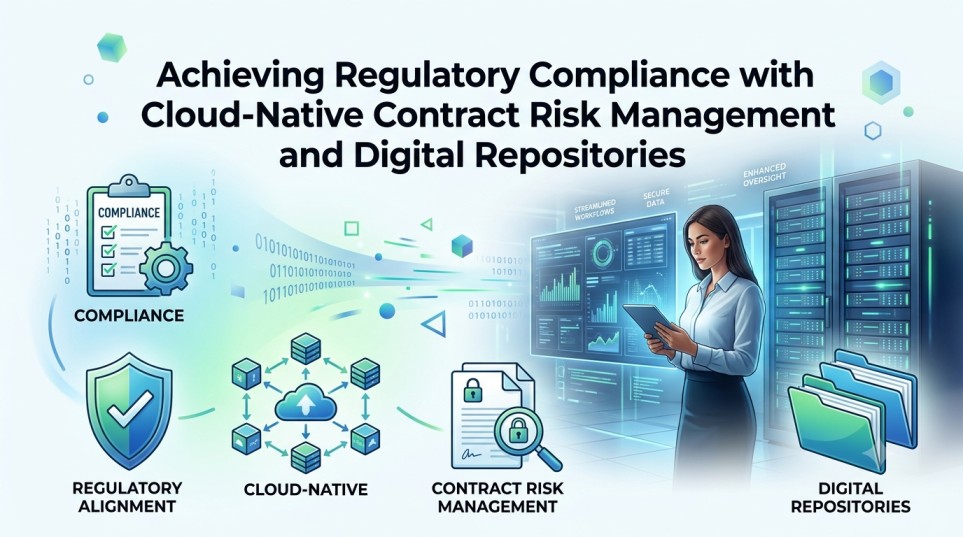
Case Study: Achieving Regulatory Compliance with Cloud-Native Contract Risk Management and Digital Repositories
Client Background: Contract Compliance in Saudi Financial Services
Regulatory compliance is a continuous obligation for financial institutions operating in Saudi Arabia. As regulatory bodies tighten documentation, audit, and reporting requirements, organizations relying on fragmented, paper-based, or siloed contract storage face growing exposure to compliance gaps. This case study examines how a mid-sized Saudi financial services firm partnered with Beveron to modernize its contract infrastructure, using cloud-native contract risk management and digital repositories to close compliance gaps and reduce audit preparation time.
The Challenge: Compliance Risk from Fragmented Contract Storage
The client managed thousands of active contracts across multiple departments, stored in disconnected drives, email threads, and physical archives. This created several compliance-critical problems:
- No centralized system to verify contract status or clause compliance during regulatory audits
- Manual retrieval processes that delayed responses to regulator requests
- Limited visibility into contract expiration dates, renewal obligations, and clause changes
- Inconsistent version control, increasing the risk of outdated or non-compliant terms being enforced
What causes compliance risk in contract management?
Compliance risk typically stems from a lack of centralized visibility—when contracts are stored inconsistently, organizations cannot reliably verify their compliance posture on demand, which is precisely the exposure this client faced.
The Solution: Beveron Smart Legal Contract
Beveron Smart Legal Contract was implemented to replace the client's fragmented storage model with a single, cloud-native contract risk management system. Key features addressing the client's compliance gaps included:
- Centralized Digital Repository — all contracts stored in one secure, searchable, cloud-based system, accessible to authorized stakeholders in real time
- Automated Audit Trails — every contract action (edit, approval, renewal) logged automatically, creating a verifiable compliance record
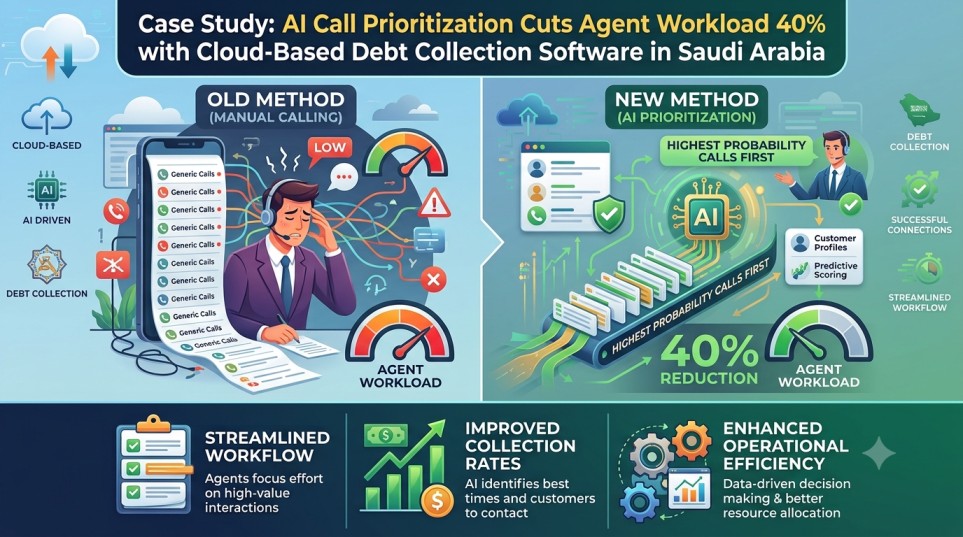
- Clause-Level Risk Scoring — AI-driven analysis flags non-compliant or outdated clauses before they become liabilities
- Renewal and Obligation Alerts — automated notifications prevent missed regulatory deadlines and lapsed obligations
- Role-Based Access Controls — ensures sensitive contract data is only visible to appropriate personnel, supporting data governance requirements
This approach mirrors methods explored in this case study on how AI clause extraction helped a banking client meet SAMA compliance standards faster, where similar clause-level automation reduced manual compliance review time significantly.
Implementation Approach
The rollout was executed in four phases over 12 weeks:
- Discovery and Data Migration — existing contracts were digitized and migrated into the centralized repository, with metadata tagging applied for searchability.
- Workflow Configuration — approval hierarchies, renewal alerts, and access permissions were configured to match the client's internal compliance policies.
- AI Clause Analysis Calibration — the clause-scoring engine was trained on the client's contract templates to accurately flag regulatory risk indicators.
- Team Onboarding and Testing — legal and compliance teams were trained on the platform, followed by a parallel-run period to validate audit trail accuracy before full go-live.
Throughout this rollout, the client also explored complementary automation opportunities, including insights covered in this blog on how agentic AI can improve contract management and reduce legal workloads.
The Results
Within six months of full deployment, the client reported measurable improvements:
- 70% reduction in time spent preparing documentation for regulatory audits
- 100% of active contracts centralized in a single, auditable digital repository
- 45% fewer missed renewal or obligation deadlines
- Zero instances of non-compliant clause enforcement following clause-risk scoring rollout
- 3x faster retrieval time for contracts requested during compliance reviews
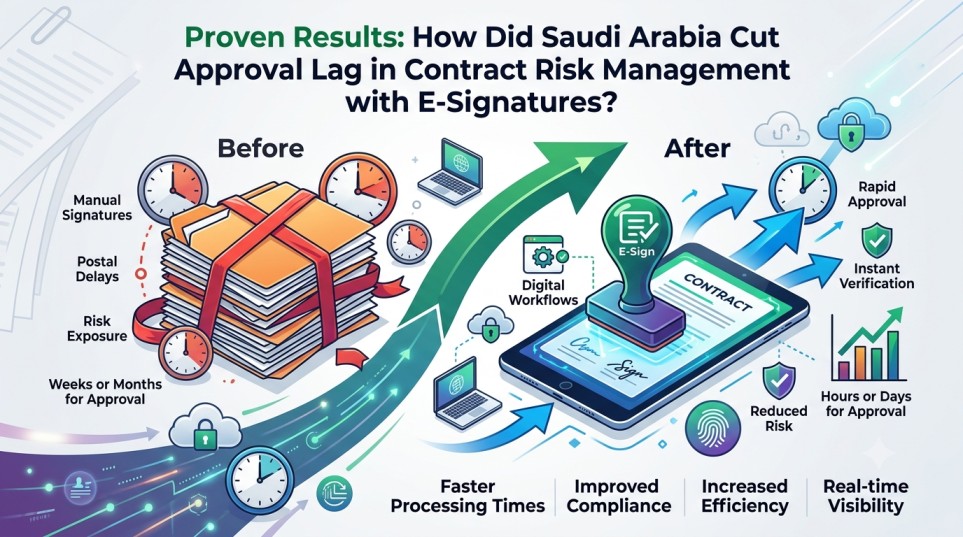
The client also accelerated execution timelines by adopting e-signature workflows alongside the new repository—a shift explored further in this blog on how e-signature software accelerates contract execution in the Philippines, which outlines similar execution-speed gains in comparable regulatory environments.
Client Perspective
"Before Beveron, responding to an audit request meant days of manual searching across departments. Now, every contract, clause, and obligation is verifiable in minutes. Compliance is no longer reactive—it's built into how we manage contracts every day."
— Compliance Director, Saudi Financial Services Client
Frequently Asked Questions
What is cloud-native contract risk management?
Cloud-native contract risk management refers to a system built to store, monitor, and analyze contracts entirely through cloud infrastructure, allowing real-time access, automated updates, and centralized visibility without reliance on local servers or physical storage.
How does a digital repository improve regulatory compliance?
A digital repository consolidates all contracts into one searchable, auditable system, giving compliance teams instant access to contract status, clause history, and audit trails—reducing the delays and errors common in manual or fragmented storage.
How long does it take to implement contract risk management software?
Implementation timelines vary by contract volume and complexity, but a typical rollout — including data migration, workflow configuration, and team onboarding — can be completed within 8 to 12 weeks, as demonstrated in this case study.
Can contract risk management software flag non-compliant clauses automatically?
Yes. AI-driven clause-level risk scoring can identify outdated, missing, or non-compliant clauses across a contract portfolio, allowing legal and compliance teams to address issues before they result in regulatory penalties.
Is cloud-native contract management suitable for regulated industries in Saudi Arabia?
Yes. Financial institutions and other regulated entities in Saudi Arabia increasingly adopt cloud-native contract risk management to meet documentation, audit, and data governance requirements set by regulatory authorities.
Conclusion and Next Steps
For organizations operating under strict regulatory oversight, contract risk management can no longer rely on fragmented storage and manual tracking. Cloud-native systems with centralized digital repositories, automated audit trails, and AI-driven clause analysis give compliance teams the visibility and control regulators expect.
To learn how a cloud-native contract risk management system can strengthen your organization's compliance posture, contact Beveron today.
Website: www.beveron.com
Email: info@beveron.com
Best contract risk management software in Saudi Arabia
Best cloud-based contract management software in Saudi Arabia
Best AI contract management software in Saudi Arabia
If you need a free demo on the best contract risk management software in Saudi Arabia, please fill out the form below.